Manufactured Homes Pros and Cons in Fayetteville, North Carolina
Are you considering a manufactured home in Fayetteville, North Carolina? With rising housing costs and a growing demand for affordable living, manufactured homes have become an attractive option for many homebuyers. But are they the right fit for you? In this comprehensive guide, we’ll break down the pros and cons of manufactured homes in North Carolina, helping you make an informed decision.
What Is a Manufactured Home?
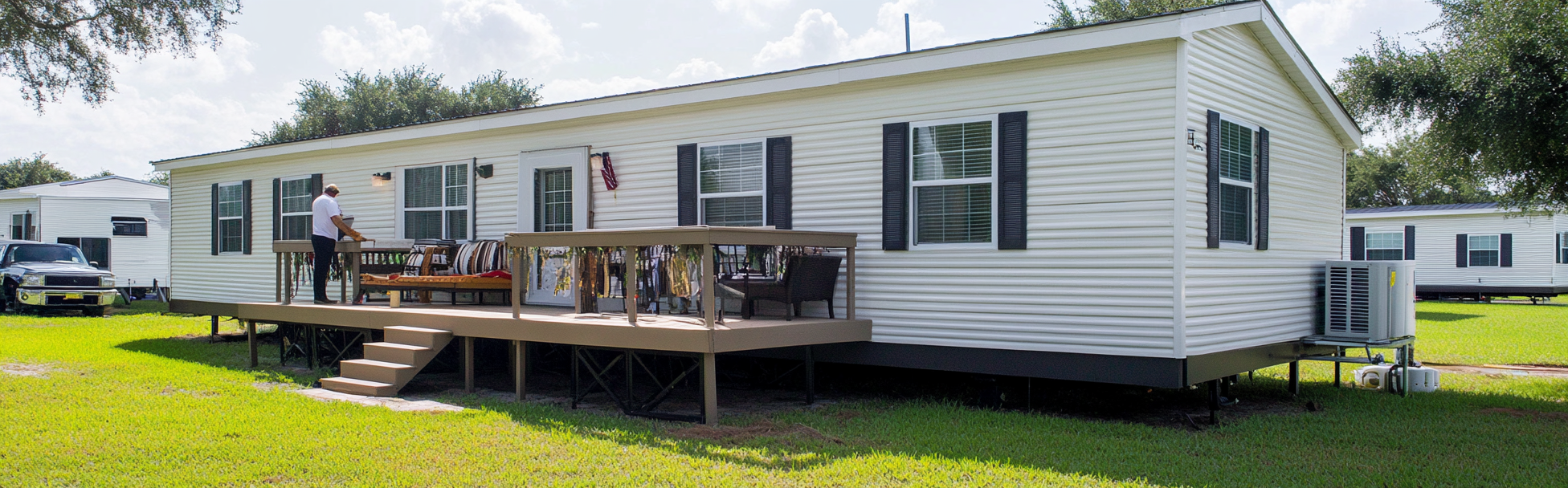
Manufactured homes, sometimes called mobile homes, are built in a factory and then transported to their final location. Unlike modular homes, which are assembled on-site, manufactured homes come pre-built and must comply with federal HUD (Housing and Urban Development) standards. These homes offer affordability and flexibility, making them a great alternative to traditional site-built homes.
Pros of Manufactured Homes in North Carolina
1. Affordability
One of the biggest advantages of manufactured homes is their low cost compared to site-built homes. According to industry reports, the average cost per square foot for a manufactured home is significantly lower than a traditional home. This makes homeownership more accessible for first-time buyers, retirees, and families on a budget.
2. Quick Construction & Installation
Since manufactured homes are built in a controlled factory setting, they are produced faster than site-built homes. The typical timeframe from order to move-in is around 60 to 90 days, compared to several months (or even years) for traditional homes.
3. Energy Efficiency
Modern manufactured homes are designed to be energy-efficient, with options like Energy Star-certified appliances, upgraded insulation, and smart home features that can help reduce utility costs.
4. Customization Options
Unlike old-school mobile homes, today’s manufactured homes come with a variety of floor plans, design styles, and high-end features, including open layouts, stainless steel appliances, and even luxury finishes.
5. Lower Property Taxes
In many parts of North Carolina, property taxes for manufactured homes are lower than for site-built homes, saving homeowners hundreds or even thousands of dollars annually.
6. Flexible Placement & Land Options
You can place a manufactured home in a dedicated community or on private land, giving you greater flexibility in choosing your ideal location. Many communities even offer amenities such as pools, clubhouses, and security.
7. Financing Options
While financing a manufactured home can be trickier than a site-built home, options like FHA, VA, USDA, and chattel loans make it possible for many buyers to qualify for a mortgage.
Cons of Manufactured Homes in North Carolina
.png)
1. Depreciation in Value
Unlike site-built homes, which typically appreciate in value over time, manufactured homes often depreciate. However, this largely depends on factors such as location, upkeep, and whether the home is placed on owned or leased land.
2. Land & Zoning Restrictions
Not all areas in North Carolina allow manufactured homes. Some zoning laws restrict placement, especially in high-end neighborhoods. Before purchasing, check with local zoning regulations in your desired location.
3. Financing Challenges
Although financing options exist, some lenders classify manufactured homes as personal property rather than real estate, leading to higher interest rates and shorter loan terms.
4. Structural Durability & Weather Resistance
While modern manufactured homes are built to HUD standards, they may not be as structurally sound as site-built homes, especially in extreme weather conditions like hurricanes or tornadoes, which are common in North Carolina.
5. Stigma & Misconceptions
Despite advancements in quality and design, some people still associate manufactured homes with lower status or poor construction. This stigma can affect resale value and community perception.
6. Limited Customization Compared to Site-Built Homes
While manufactured homes do offer customization, they don’t provide the same level of architectural freedom as site-built homes. Expanding or significantly modifying a manufactured home can be challenging and costly.
Manufactured Homes vs. Modular Homes vs. Site-Built Homes
| Feature | Manufactured Homes | Modular Homes | Site-Built Homes |
|---|---|---|---|
| Cost | Most Affordable | Mid-Range | Most Expensive |
| Construction Time | Fast (60-90 days) | Moderate | Slow (Months-Years) |
| Customization | Limited | Moderate | Full Flexibility |
| Financing Options | Some Restrictions | More Available | Most Available |
| Durability | HUD Standard | State Building Code | Highest Quality |
| Resale Value | Often Depreciates | Appreciates | Appreciates |
Is a Manufactured Home Right for You?
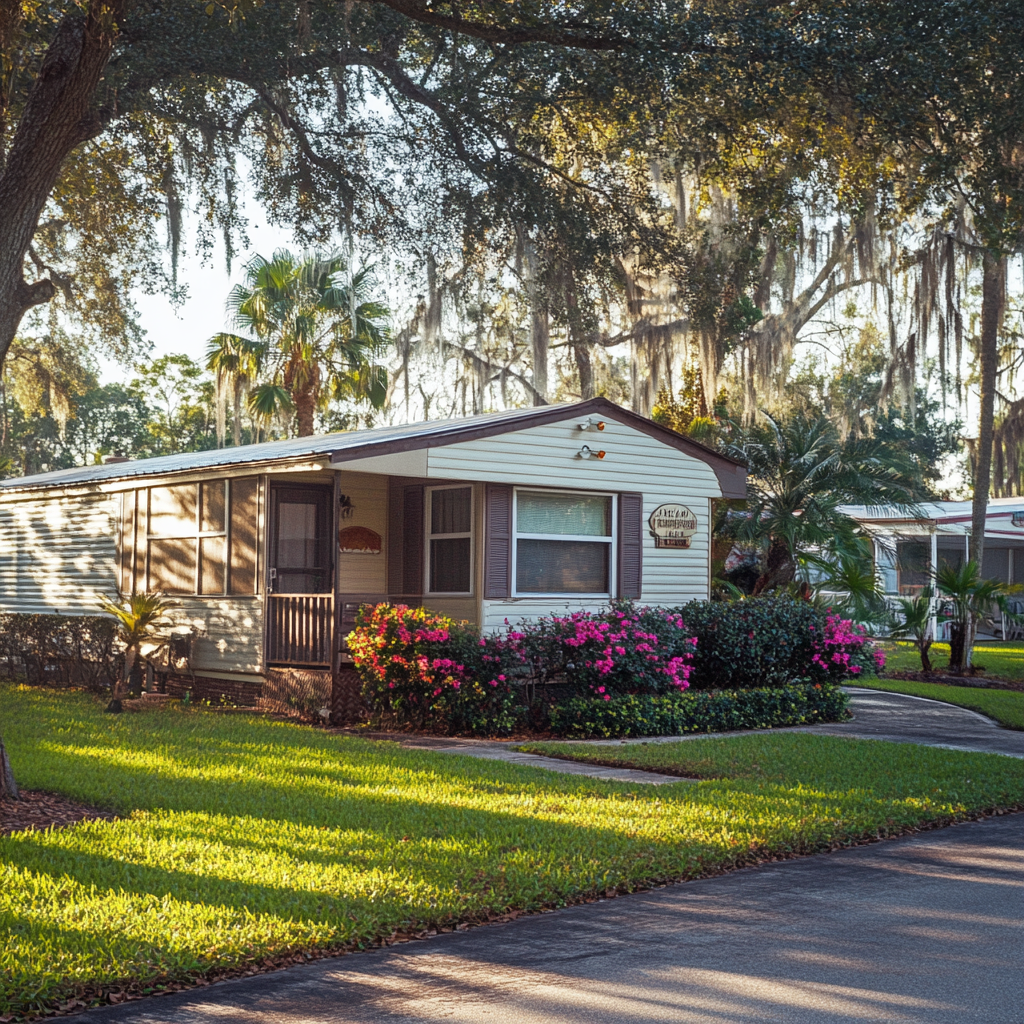
If you’re looking for an affordable, energy-efficient, and quick housing solution, a manufactured home in North Carolina could be a great option. However, you should weigh the potential downsides like financing hurdles, zoning restrictions, and resale value before making a decision.
FAQs About Manufactured Homes in North Carolina
1. Do Manufactured Homes Appreciate in Value?
While they generally depreciate, homes on owned land in desirable locations may hold or increase their value over time.
2. Can You Get a Mortgage for a Manufactured Home?
Yes, but financing can be more difficult. Look into FHA, VA, USDA, and chattel loans as options.
3. Are Manufactured Homes Safe in Storms?
Modern manufactured homes are built to HUD safety standards, but they may not be as storm-resistant as site-built homes.
4. Where Can I Place a Manufactured Home in North Carolina?
You can place a manufactured home in dedicated communities, rural areas, or private land, but always check local zoning laws.
5. What’s the Lifespan of a Manufactured Home?
With proper maintenance, manufactured homes can last 30-55 years, sometimes longer.
Final Thoughts
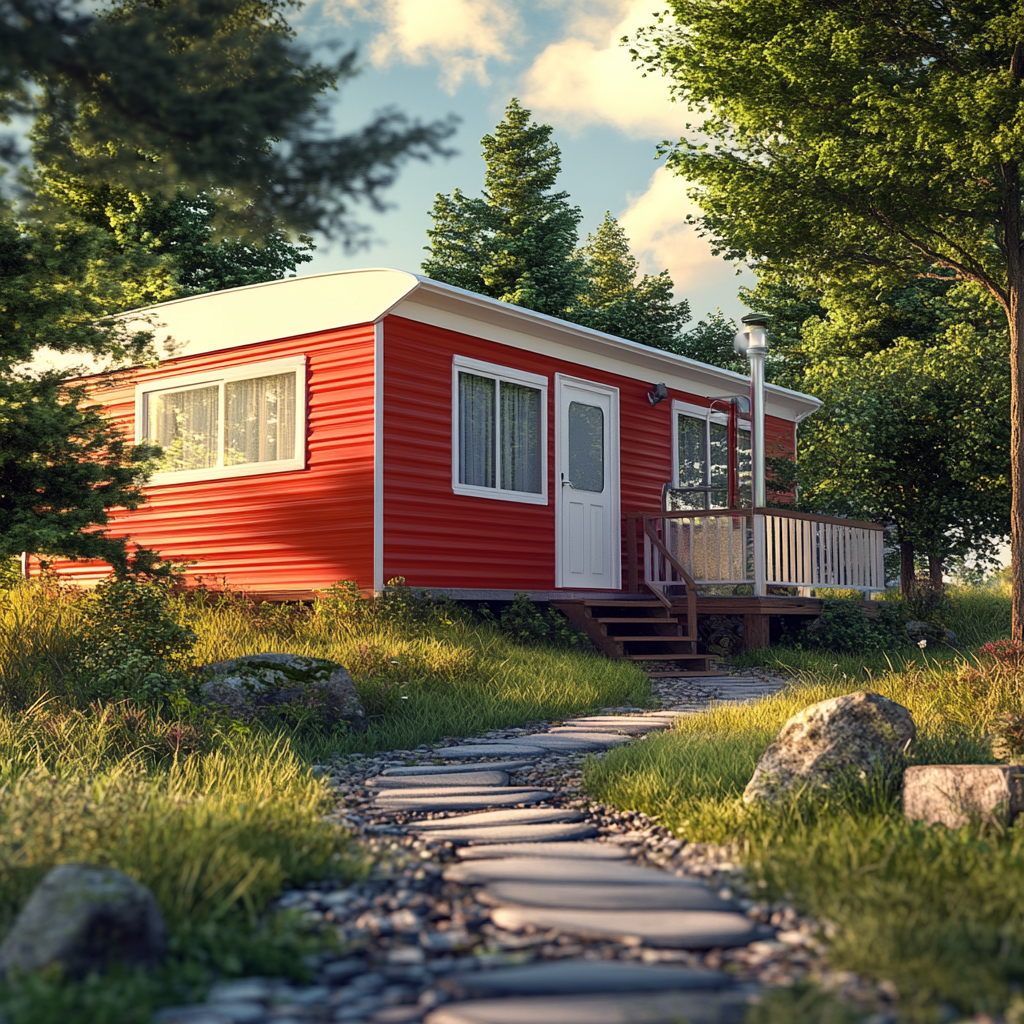
Manufactured homes offer a cost-effective and flexible path to homeownership in North Carolina. However, before making a purchase, consider the long-term implications, financing options, and zoning laws. If you’re ready to explore manufactured homes, contact Fayetteville NC Homes for Sale for expert guidance on finding the right home for you!