


Buying a home in North Carolina is an exciting milestone—whether you're relocating for a job, moving closer to family, or planting roots in one of our beautiful cities. But not all homes are created equal. As a licensed real estate broker in North Carolina, I’ve seen my fair share of buyer regrets. So let’s save you the heartache (and a ton of money) with this honest, boots-on-the-ground guide to homes you should NEVER buy in the Tar Heel State. Buying a home is one of the biggest investments of your life and taking out a mortgage for the next 30 years can be stressful.
In a recent Youtube video, I went over the types of homes you should avoid.
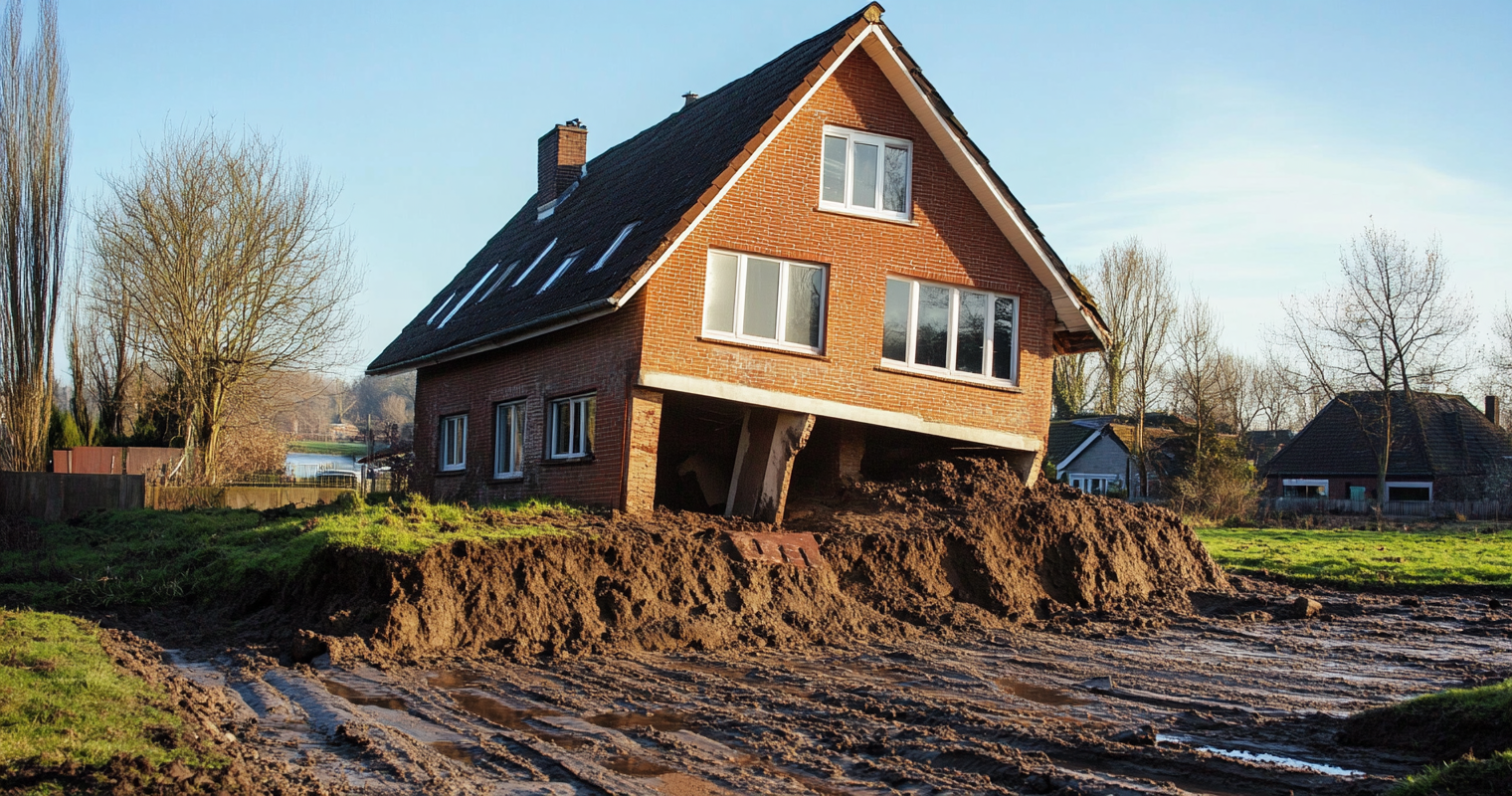
1. Homes With Major Foundation Issues
North Carolina soil can be tricky. From shifting clay in the Piedmont to coastal flood-prone zones, foundation problems are common. Watch out for:
-
Cracks in walls or floors
-
Uneven or sloping flooring
-
Doors and windows that stick
Foundation repairs can cost anywhere from $5,000 to $25,000+. Always get a structural inspection if there are signs of movement.
2. Flipped Homes With No Permits
Flipping is hot, but some investors care more about profit than quality. Cosmetic upgrades may cover up bigger issues:
-
Electrical and plumbing problems
-
Shoddy drywall or trim work
-
Unpermitted additions
Before you fall in love with the Pinterest-worthy kitchen, check the permit history. If it was bought and resold quickly, be extra cautious.
3. Homes in High-Risk Flood Zones
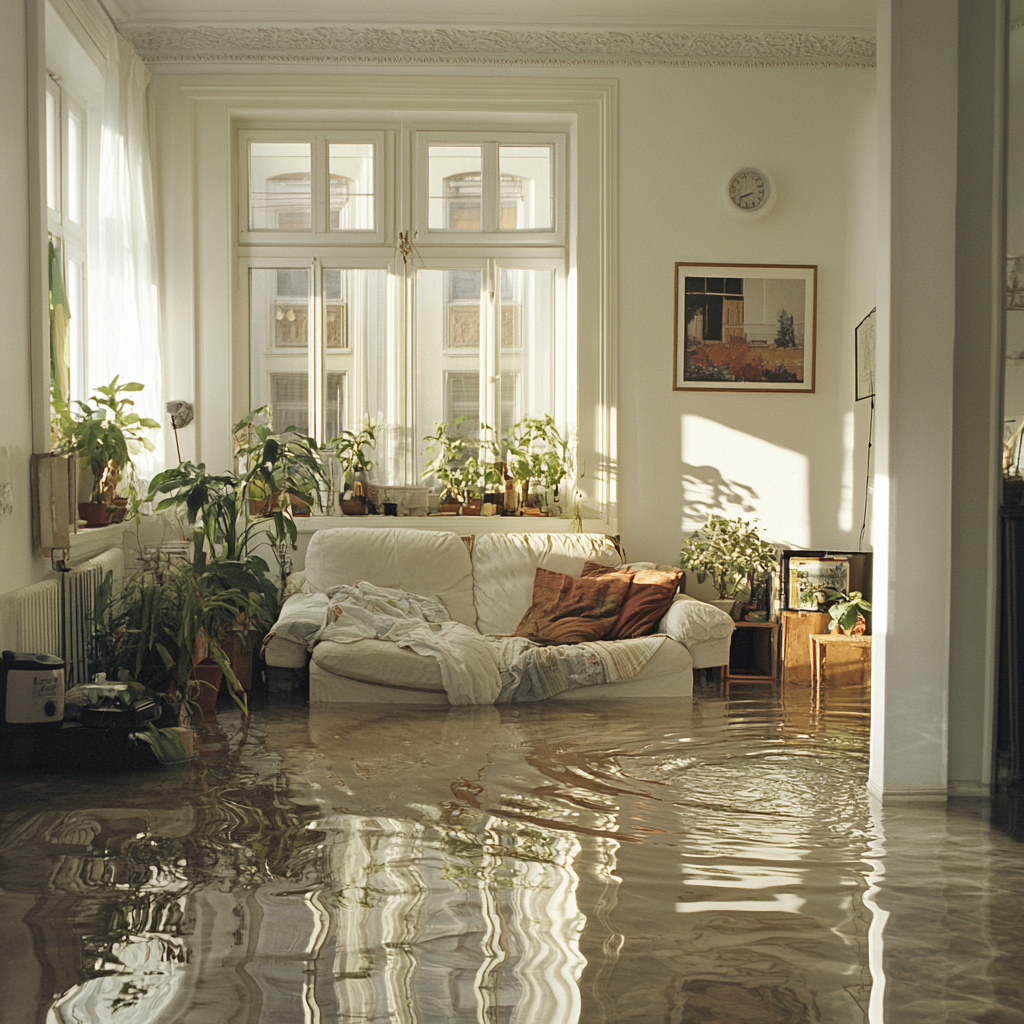
Eastern North Carolina, coastal regions, and even parts of central NC are prone to flooding. Flood insurance can cost thousands per year and still not cover everything. If a property sits in a 100-year or 500-year floodplain, weigh the long-term risk. I live in Fayetteville, North Carolina and was a victim of Hurricane Matthew and our house was flooded with 6 feet of water in it.
Pro Tip: Always check the FEMA flood map and ask your insurance provider if flood insurance is required.
4. Houses With Outdated or Unsafe Electrical Systems
Older homes (built before the 1970s) may still have:
-
Fuse boxes instead of breakers
-
Aluminum wiring (a major fire risk)
Upgrading electrical systems is expensive and necessary for safety. Don’t waive inspections just to compete in a bidding war—it could cost you dearly later.
5. Homes With Uninsurable Roofs
In North Carolina, the roof is a huge factor in insurability. Insurance companies often refuse to cover homes with roofs over 20 years old. If the roof is:
-
Curling, cracking, or missing shingles
-
Overdue for replacement
...you may need to pay out of pocket or get denied coverage altogether.
6. Properties With "Fake Bedrooms"
Not every room labeled as a bedroom is actually legal. In North Carolina, a bedroom must have. Homes with non-conforming layouts are harder to resell and may not qualify for certain loans.
Bonus rooms or "man caves" are not bedroom unless they have the following:
-
At least one window for egress
-
A closet
-
Direct access (not through another room)
7. Overly Customized or Themed Homes
We love personality, but there’s a limit. Think:
-
Built-in aquariums
-
Home theaters with stadium seating
-
Kitchens straight out of a sci-fi movie
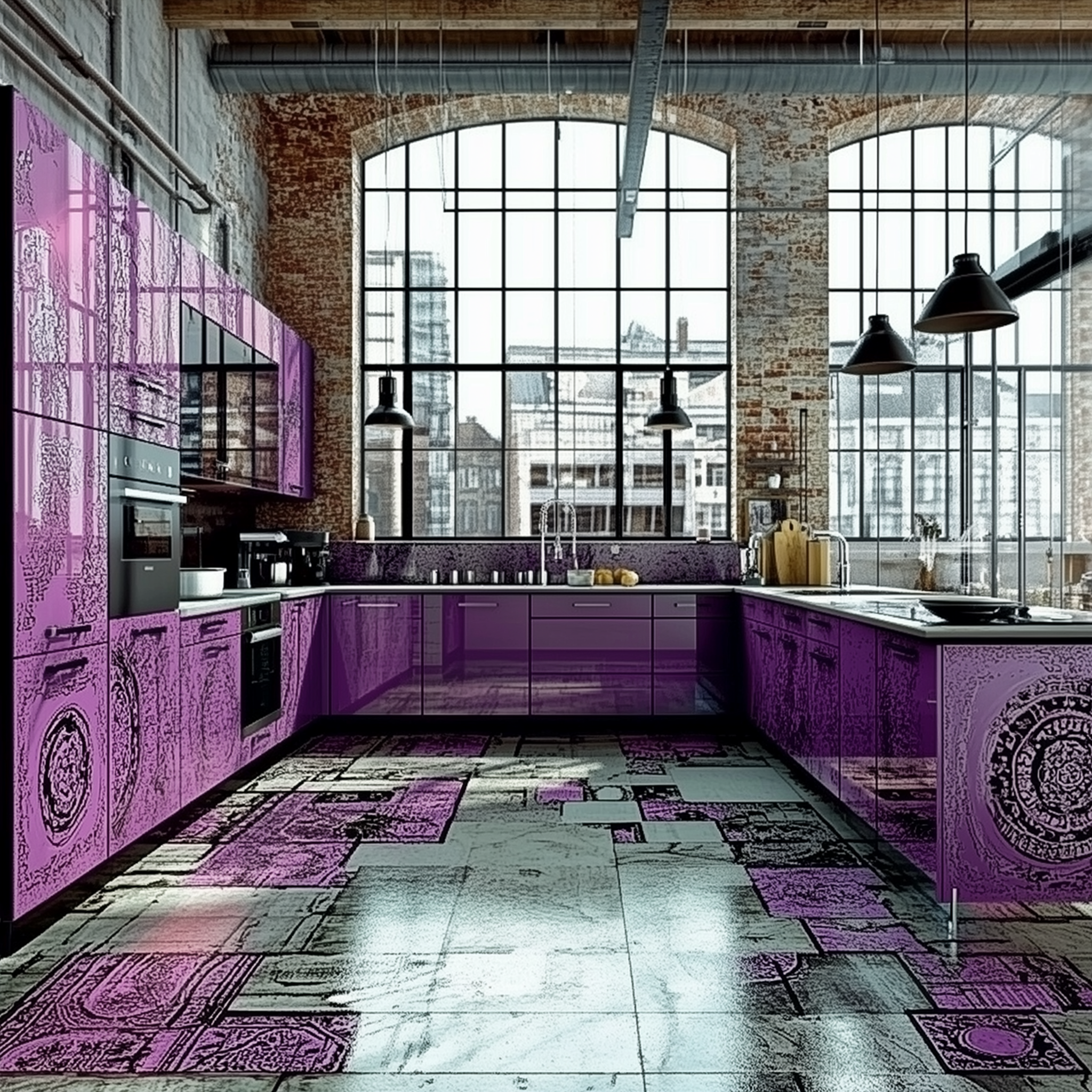
These features can scare away buyers when it's time to sell—and remodels are pricey. Yes I wants saw a bathroom covered in sea shells the floor, shower, and tile. With unique features like that it's hard to sell sometimes.
8. Homes With Underground Oil Tanks
If you're buying an older home (especially in rural parts of NC), ask if it ever used oil heating. Buried oil tanks can leak and lead to massive environmental cleanup costs. Removal and soil remediation can exceed $10,000 or more.
Final Thoughts
Buying a home in North Carolina doesn’t have to be a gamble. The best way to avoid these money pits is to work with a trusted local expert who knows what to look for. Whether you’re moving to Charlotte, the Triangle, the mountains, or the coast—I’m here to help.
Ready to get started the right way? Contact me today through FayettevilleNCHomesForSale.org and let’s find the home that’s perfect for you, not just your budget.
:format(webp):quality(80)/u.realgeeks.media/jameswalker/Add_a_heading.jpg)