


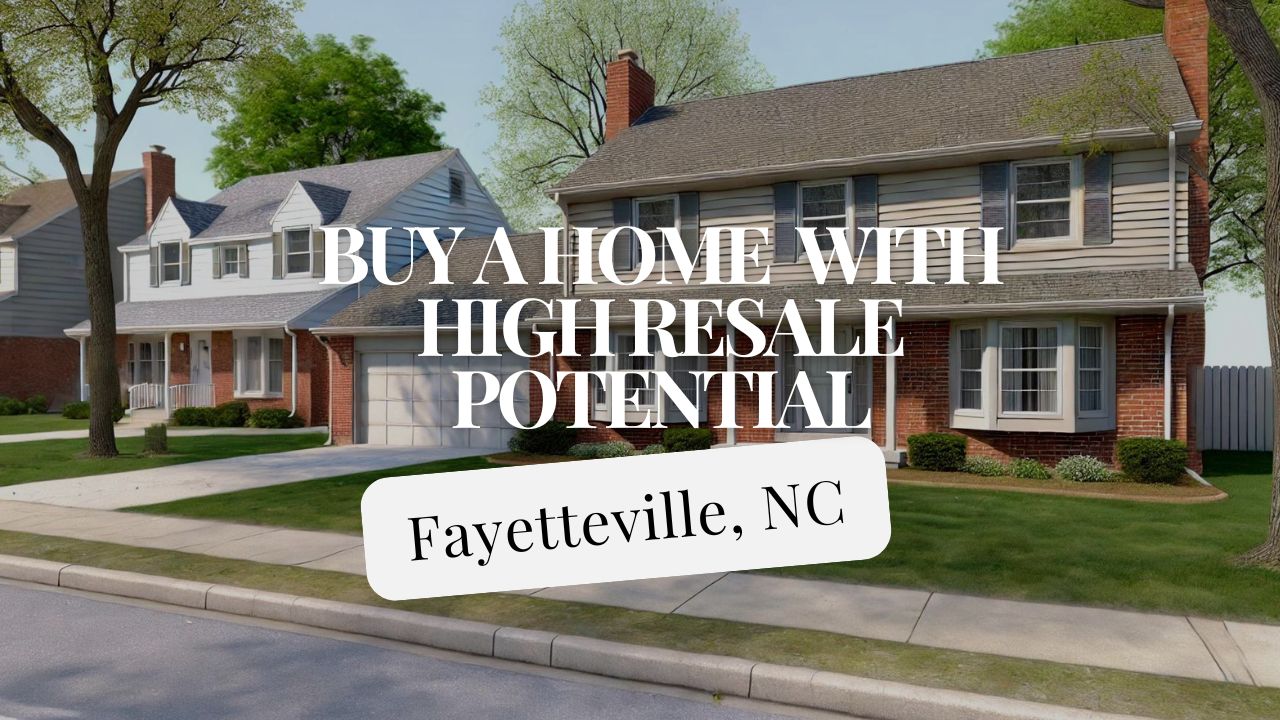
Buying a home in Fayetteville, NC, can be an exciting adventure. To maximize resale potential, buyers should focus on location, property condition, and market trends. Understanding these elements can greatly influence a buyer's decision and lead to a wise investment choice.
Fayetteville's real estate market offers diverse options, from charming single-family homes to modern townhouses. Buyers must do their homework on neighborhoods that show growth and have desirable amenities. It is also crucial to assess the qualities of the home itself, ensuring it meets buyers' needs while appealing to future purchasers.
Investing time in preparation and making informed decisions will benefit any home buyer in Fayetteville. Researching the market and recognizing how to maintain a property's value can ensure a successful and profitable purchase.
Key Takeaways
- Focus on location and property condition for better resale value.
- Research market trends to identify promising neighborhoods.
- Maintain your home well to preserve its value over time.
Understanding the Fayetteville, NC Real Estate Market
The Fayetteville, NC real estate market exhibits specific patterns influenced by local economic indicators, average property prices, and neighborhood characteristics. By focusing on these aspects, potential homebuyers can make informed decisions that align with their investment goals.
Economic Indicators and Trends
Fayetteville’s economy plays a crucial role in its real estate market. The city's growth is partly driven by its military presence, notably Fort Bragg, which ensures a steady demand for housing. The population is growing, providing a larger buyer pool.
In the past year, job growth has shown a significant increase. The unemployment rate remains low compared to national averages, which boosts buyer confidence. A strong local economy usually leads to increased property values, making this a key consideration for buyers.
Average Property Prices
When examining average property prices, Fayetteville has shown intriguing trends. The median sale price for homes in Fayetteville is about $235,000, reflecting a 4.4% increase over the past year. For those considering square footage, the median price per square foot stands at $146, up 7.4% year-over-year.
These figures indicate that while the market is competitive, it remains more affordable compared to other areas in North Carolina. Buyers should keep an eye on listing prices, which can vary significantly based on location and property size.
Neighborhood Analysis
Neighborhood quality is essential when evaluating resale potential. Fayetteville has diverse neighborhoods, each with unique features. For example, the community around downtown offers access to shops and restaurants, appealing to young professionals.
In contrast, family-friendly areas like Jack Britt provide schools and parks, making them attractive for families.
Key areas to consider include:
- Haymount: Known for historic homes and charm.
- West Fayetteville: Offers more affordable options with rapid development.
- College Lakes: Features larger lots and a quiet atmosphere.
Understanding these neighborhood dynamics can significantly impact resale value and buyer interest in the future.
Key Factors That Affect Resale Value
When purchasing a home with strong resale potential, several key factors need consideration. Location, school district ratings, property age and condition, and local market demand significantly influence a home's value over time.
Location and Accessibility
The location of a property is often the most critical factor in determining its resale value. Homes situated in safe, desirable neighborhoods tend to appreciate faster. Proximity to urban centers, major highways, and public transportation also affects accessibility, making a home more attractive to buyers.
Local amenities such as parks, shopping centers, and restaurants increase desirability. Additionally, properties near employers or key industries attract more potential buyers. When assessing a location, it’s also wise to consider future developments or zoning changes that might enhance or decrease value.
School District Ratings
School district ratings play a pivotal role in attracting families looking to buy homes. High-performing schools often lead to higher property values, as parents prioritize education for their children. Homes located in districts known for strong academic performance typically sell faster and at more competitive prices.
In Fayetteville, for instance, the reputation of nearby schools can significantly impact resale potential. Home buyers frequently use school ratings as a filtering criterion during their search. Consequently, investing in a home within a top-rated district can yield better returns.
Property Age and Condition
The age and condition of a property are crucial when considering resale value. Newer homes often require fewer repairs and renovations, making them appealing to potential buyers. Additionally, modern construction often includes energy-efficient features that attract buyers concerned with utility costs.
Older homes can also have charm but may come with hidden repair costs. Buyers often prefer homes that are well-maintained and updated. Homeowners should consider regular maintenance and necessary improvements to enhance resale potential and marketability over time.
Local Market Demand
Local market demand directly influences home prices and resale values. In areas where demand outstrips supply, homes are likely to appreciate more rapidly. Researching recent sales trends in Fayetteville can provide insight into current market conditions.
Factors such as job growth, population increases, and economic stability boost demand for homes. Understanding the pulse of the local market will help potential buyers gauge whether they are purchasing in a favorable climate. Buyers should remain informed about shifts in demand to ensure long-term investment success.
Preparing for the Home Buying Process
Preparing to buy a home involves several key steps. Understanding one's budget, exploring loan options, and recognizing the importance of credit scores are crucial components of this process.
Assessing Your Budget and Financing
Before beginning the home search, it’s vital to assess the budget. Buyers should calculate their income, expenses, and savings to determine how much they can afford. They often use the 28/36 rule, which suggests that no more than 28% of gross monthly income should go toward housing costs and 36% toward total debt.
It's also important for buyers to remember additional costs such as property taxes, insurance, and maintenance. Creating a detailed budget helps ensure there are no surprises. Many buyers use online calculators to estimate mortgage payments and compare different scenarios based on down payments and interest rates.
Understanding Loan Options
Once the budget is set, buyers should explore their loan options. There are different types of loans available, such as conventional, FHA, and VA loans. Each has different benefits and requirements, which may significantly affect the buying process.
For example, FHA loans allow for lower down payments but may require mortgage insurance. VA loans are beneficial for eligible veterans and active-duty service members, offering favorable terms and no down payment. Researching available loans enables buyers to make informed decisions that align with their financial situation.
The Role of Credit Scores
Credit scores play a crucial role in the home buying process. A higher score generally leads to better loan terms, lower interest rates, and increased borrowing potential. Buyers should check their credit reports for errors and work on improving their score if necessary.
Ways to enhance a credit score include paying bills on time, reducing credit card balances, and avoiding new debt before applying for a mortgage. Lenders typically prefer scores above 620, but some options are available for those with lower scores. Knowing the credit score can empower buyers to negotiate better terms and secure financing.
Finding the Right Home
Choosing the right home in Fayetteville requires careful consideration of several key factors. Working with a knowledgeable real estate agent, ensuring a thorough home inspection, and evaluating essential home features can greatly influence the buying process.
Working with a Real Estate Agent
Finding a reliable real estate agent is crucial. An experienced agent understands the Fayetteville market and can help buyers identify homes that fit their needs. They provide valuable insights on neighborhoods, pricing trends, and resale potential.
Buyers should ask potential agents about their experience, including:
- Years in the industry
- Knowledge of local neighborhoods
- Track record of successful sales
An agent can also negotiate offers and facilitate communication between buyers and sellers. This support is essential to navigating the complexities of the home-buying process.
Home Inspection Considerations
A thorough home inspection is a must. It helps identify potential issues before finalizing a purchase. Buyers should look for qualified inspectors who can evaluate both the structure and systems of the home.
Key areas to focus on during the inspection include:
- Roof condition
- Plumbing and electrical systems
- Foundation integrity
- Signs of pests or water damage
By obtaining an inspection report, buyers can make informed decisions. They may negotiate repairs or reconsider their offer based on the findings.
Evaluating Home Features
Assessing home features is vital for long-term satisfaction and resale value. Buyers should prioritize features that contribute to both comfort and market appeal.
Important aspects to consider include:
- Layout and flow of the space
- Number of bedrooms and bathrooms
- Outdoor space and landscaping
- Renovation potential
A home with modern updates or energy-efficient appliances can attract future buyers. Evaluating these features ensures that the chosen home meets current needs and retains value over time.
Making a Competitive Offer
Making a competitive offer is crucial in securing a home in Fayetteville, NC. Understanding market value and employing effective negotiation strategies will help buyers stand out in a crowded market.
Understanding Market Value
To make a competitive offer, buyers must first grasp the home's market value. This involves researching comparable properties, known as "comps," which sold recently in the neighborhood. Buyers should focus on properties with similar features, such as size, age, and amenities.
Online tools like Zillow or Redfin can provide valuable insights, but working with a local realtor is often more effective. They can offer expert advice based on current market trends and conditions.
Additionally, it's essential to consider the condition of the home. A well-maintained property may command a higher price, while homes needing repairs can offer negotiation leverage. In a competitive market, making an informed offer based on these factors can increase the chances of success.
Negotiation Strategies
Effective negotiation can make a significant difference in a buyer's offer. One useful strategy is the escalation clause. This allows buyers to automatically increase their offer if a higher bid is received, up to a set limit. This can help keep them competitive without overspending.
Another tactic is to include a personal letter to the sellers. Buyers can share their story, showing their genuine interest in the home. This personal touch can sometimes sway sellers in a multiple-offer situation.
Additionally, being flexible with closing dates can also enhance the offer's attractiveness. If the sellers need a quick closing, accommodating that can give a buyer the edge. By employing these strategies, buyers can improve their chances of securing their desired home.
The Closing Process
The closing process is a critical step in buying a home in Fayetteville, NC. It includes understanding closing costs and conducting a final walk-through of the property before ownership is transferred.
Closing Costs Explained
Closing costs are the fees required to finalize a real estate transaction. In Fayetteville, these costs typically range from 3% to 5% of the purchase price. For example, on a $300,000 home, closing costs might be between $9,000 and $15,000.
Some common closing costs include:
- Loan origination fees: Charged by the lender for processing the loan.
- Appraisal fees: To evaluate the property's value.
- Title insurance: Protects against future claims on the property.
- Escrow fees: For handling the funds and documents throughout the closing process.
Buyers should review their Loan Estimate provided by the lender to ensure they understand all costs involved.
Final Walk-Through
The final walk-through is an essential step that occurs shortly before closing. This allows buyers to ensure the property is in the agreed-upon condition.
During this walk-through, buyers should:
- Confirm that all repairs have been completed as per the contract.
- Check for any damage or changes to the property since the last visit.
- Ensure that all personal items of the seller have been removed.
It is typically scheduled 24 hours before closing. If issues are found, buyers can negotiate with the seller to resolve them before finalizing the sale. This step helps ensure a smooth transition into the new home.
Maintaining Resale Value Post-Purchase
Maintaining a home’s resale value after purchase is essential for any homeowner. It involves consistent upkeep, strategic upgrades, and awareness of market trends. Here are key strategies to ensure a property retains its value.
Regular Home Maintenance
Regular maintenance is crucial in preventing small issues from becoming larger, costlier problems. Homeowners should create a seasonal checklist to address the following:
- Roof Inspection: Check for missing shingles and leaks annually.
- HVAC System: Schedule professional servicing twice a year, in spring and fall.
- Plumbing Checks: Inspect for leaks under sinks and around toilets regularly.
- Exterior Care: Clean gutters and downspouts every season to prevent water damage.
Maintaining proper landscaping also enhances curb appeal. Homeowners should trim bushes, mow the lawn, and care for flower beds to keep the property looking inviting.
Strategic Home Improvements
Certain improvements can significantly boost a home’s resale value. Homeowners should focus investments on key areas:
- Kitchens: Modern, updated kitchens are highly desirable. Upgrading appliances, adding new countertops, or repainting cabinets can make a noticeable difference.
- Bathrooms: Adding an additional bathroom or updating fixtures often yields a strong return. Consider modern tiles and efficient plumbing.
- Energy Efficiency: Installing energy-efficient windows and appliances can appeal to buyers looking to save on utility bills.
Not all upgrades are equal. Homeowners should research local trends to determine which improvements are most appealing in their specific area.
Staying Informed About the Market
Real estate markets fluctuate, and staying informed helps homeowners make smart decisions. They should:
- Monitor Trends: Keep an eye on property listings in the neighborhood to gauge competition and pricing.
- Join Local Groups: Engage with community forums or social media groups focused on real estate in Fayetteville.
- Attend Open Houses: Observing similar properties can give insight into what buyers currently desire.
Understanding local market dynamics enables homeowners to adapt and ensure their property remains attractive to future buyers.
Frequently Asked Questions
This section addresses common inquiries about buying homes with high resale potential in Fayetteville, NC. It covers factors that influence resale value, desirable neighborhoods, important property features, and how local trends and amenities impact the market.
What factors contribute to high resale value in Fayetteville, NC homes?
Several elements can enhance the resale value of homes in Fayetteville. The condition of the property, local market trends, and the overall demand for housing play significant roles. Homes that are well-maintained and upgraded with modern features often attract more buyers.
Which neighborhoods in Fayetteville, NC are known for strong property value retention?
Certain neighborhoods in Fayetteville are recognized for their stable property values. Areas such as Haymount and Camelot have shown resilience in the market. Their attractiveness stems from good schools, parks, and community involvement.
What property features are most important for resale in the Fayetteville housing market?
Key features that boost resale potential include updated kitchens and bathrooms, ample storage space, and energy-efficient appliances. Outdoor spaces, such as yards or decks, also resonate with buyers looking for family-friendly homes.
How does the current Fayetteville real estate trend affect future resale potential?
Current trends indicate a growing market in Fayetteville, driven by new job opportunities and economic development. This trend suggests that homes purchased now may appreciate in value, benefiting sellers in the future.
What are the best strategies for identifying a home with high resale value in Fayetteville?
To find homes with high resale potential, buyers should conduct market research. Analyzing local sales data, attending open houses, and consulting with real estate professionals can offer insights. It’s crucial to focus on properties in sought-after neighborhoods.
How do local amenities and infrastructure impact home resale value in Fayetteville, NC?
Proximity to amenities like schools, shopping centers, and public transportation greatly influences a home's resale value. Good infrastructure, such as well-maintained roads and public services, makes an area more appealing. This can lead to higher demand for properties.
:format(webp):quality(80)/u.realgeeks.media/jameswalker/Add_a_heading.jpg)