Moving to Fayetteville, NC? Start Here


Welcome to Fayetteville, NC: Your Trusted Relocation Guide

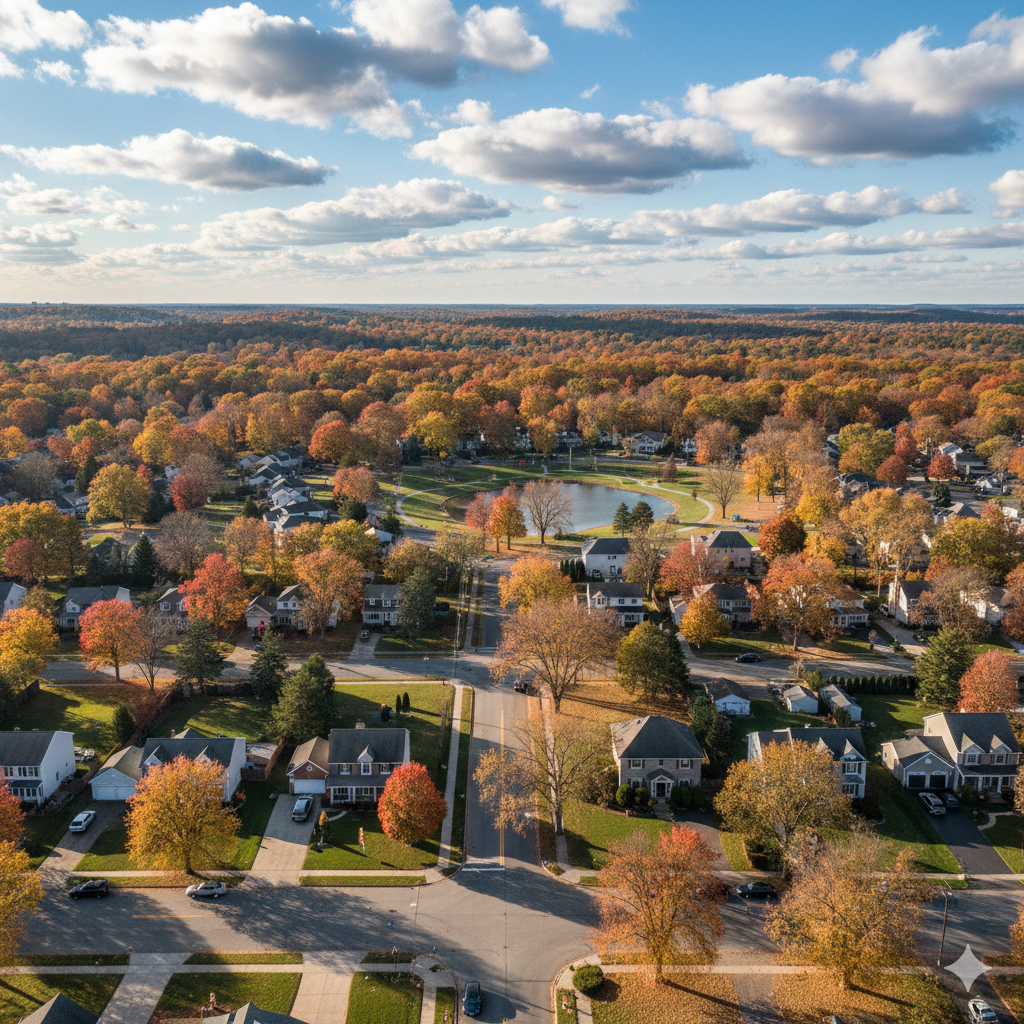
If you’re thinking about moving to Fayetteville, NC or PCSing to Fort Bragg, this blog is designed to help you learn about the area, the local real estate market, and the surrounding communities. Whether you’re relocating for military service, work, or a fresh start, you’ll find practical local information here to help guide your decision.

This blog covers the topics buyers, sellers, and relocating families care about most, including the best places to live near Fort Bragg, local suburbs and nearby cities, schools, parks, commute times, home prices, community events, and the pros and cons of different areas. You’ll also find helpful real estate advice for military families, veterans, first-time buyers, home sellers, and anyone trying to better understand the Fayetteville, NC housing market.


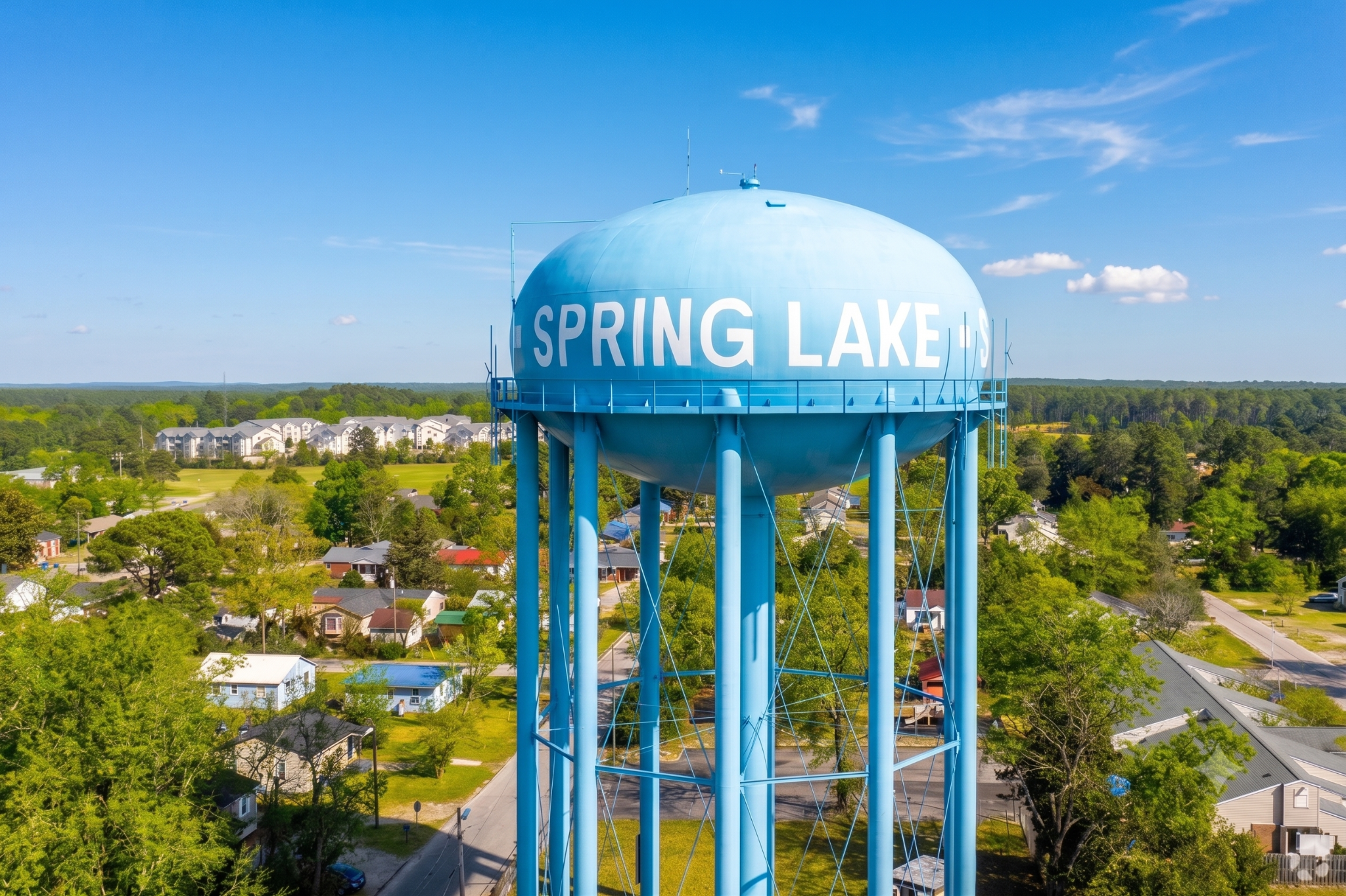
We share local insight on Fayetteville, Hope Mills, Raeford, Spring Lake, Stedman, and Eastover so you can compare areas and feel more confident before making a move. From affordable homes and relocation guidance to local market knowledge and community tips, this blog is built to help you make smarter real estate decisions in and around Fort Bragg.


June 26, 2025

PCSing to Fort Bragg, North Carolina: Everything You Need to Know Before You Move

Welcome to Fort Bragg — Let’s Make This PCS Smooth

At All American Realty Group, we understand the challenges of moving your family under military orders. Whether you're deploying in or rotating out, this PCS guide is designed to make your relocation to Fort Bragg, North Carolina, as smooth as possible. We've helped countless military families find homes in Fayetteville, Hope Mills, Raeford, and beyond—and we’re here to help you, too.

What Makes Fort Bragg Special?

Fort Bragg is not just one of the largest military bases in the U.S.—it’s a central hub for airborne and special operations forces. Located just west of Fayetteville, NC, Fort Bragg is surrounded by cities and suburbs that offer affordable housing, strong community support, and easy access to base gates.

You'll find:

  • A lower cost of living than the national average

  • A strong military and veteran community

  • Suburbs with great schools and family amenities

  • Easy weekend trips to the beach or mountains


Key Things to Know About PCS to Fort Bragg

📍 Housing: On-Post or Off-Post?

  • On-post housing is managed by Corvias with 9 neighborhoods and a Resident Responsibility Guide for move-in/out. Waitlists may apply.

  • Off-post options include single-family homes, townhouses, and apartments in:

  • Learn more about the top suburbs military families are moving to near Fort Bragg here.

  • 🏠 What’s the Average Home Price when PCSing to Fort Bragg

    If you're planning to buy soon, here’s the current breakdown:

    • Zillow reports the average home value in Fayetteville is $222,341, a small uptick from last year.

    • Redfin shows the median sold price around $231,500.

    • Local brokers are reporting list prices climbing closer to $244,000, especially in newer or updated homes.

    Whether you’re searching for starter homes or something move-in-ready with all the upgrades, homes for sale in Fayetteville, NC are still priced well below the national average.

    💡 Pro Tip: Prices vary depending on the area. Hope Mills and Raeford often offer more house for the money, while areas like Haymount and Eastover command higher prices due to location, schools, or historic charm.


    💵 What About Rent Prices when PCSing to Fort Bragg

    Not ready to buy yet or want to get a feel for the area first? Here’s what local renters are paying in 2025 for single-family homes with at least 2 full bathrooms:

    🔹 3 Bed / 2 Bath Homes

    • Most homes rent between $1,600 and $1,900/month.

    • Some more affordable homes are available around $1,400, while high-end options or newer builds can exceed $2,100/month.

    🔹 4–5 Bed / 2 Bath Homes

    • 4 bedroom homes typically rent between $2,200–$2,500/month.

    • 5 bedroom homes are rarer but usually start around $2,400/month and go up from there depending on location and features.

    These rental prices are common in places like East Fayetteville, Jack Britt school zone, and Raeford—especially in newer subdivisions.


    📊 Quick Market Snapshot

    Property Type Price Range
    Buying a Home in Fayetteville NC $230,000 – $245,000
    Rent – 3bd / 2ba Home $1,600 – $1,900/month
    Rent – 4bd / 2ba Home $2,200 – $2,500/month
    Rent – 5bd / 2ba Home $2,400+/month

We’ll help you decide what fits best based on commute, schools, and lifestyle.


🏡 Buying a Home with Your VA Loan at Fort Bragg, North Carolina

A VA loan is one of the most powerful tools available to military families—but many service members don’t realize how much they can afford or get bad advice from lenders.

Here’s how we help you win:

  • Zero down payment and no PMI

  • Partnering you with experienced VA-approved lenders

  • Showing you options that include duplexes or house hacks

  • Full video tours if you're still overseas or out of state

We're here to ensure you're fully supported at every step of the purchase process.

💰 2025 BAH Rates for Enlisted Soldiers at Fort Bragg, North Carolina


Rank With Dependents Without Dependents
E1 - E4 $1,701.00 $1,377.00
E5 $1,785.00 $1,527.00
E6 $2,016.00 $1,620.00
E7 $2,061.00 $1,701.00
E8 $2,109.00 $1,836.00
E9 $2,211.00 $1,893.00

🎖️ 2025 BAH Rates for Warrant Officers

Rank With Dependents Without Dependents
W1 $2,034.00 $1,686.00
W2 $2,082.00 $1,833.00
W3 $2,145.00 $1,905.00
W4 $2,238.00 $2,019.00
W5 $2,358.00 $2,070.00

Warrant Officers tend to receive some of the highest BAH rates in the region. If you're a W4 or W5 with dependents, you’ll be able to comfortably afford many of the newer or upgraded homes in nearby suburbs like Hope Mills, Raeford, and Eastover.

We also break down how to use your VA loan when buying a home in North Carolina in this detailed guide.


🏡 What This Means When You're House Hunting

As a military family PCSing to Fort Bragg, NC, your BAH is one of the most crucial numbers to consider when renting or buying a home. At All American Realty Group, we work with service members every single day—helping them use their VA loans, avoid rental scams, and find homes that are good for their lifestyle and budget.


🎒 Schools & Family Considerations

🏫 Cumberland County (Fayetteville Area)

  • District: Diverse, solid mix of schools. Some underperforming, but standout programs.

  • Top Elementary: Beaver Dam, Stedman, Long Hill (all A‑rated)

  • Top High Schools:

    • Cumberland Int’l Early College – Top-ranked

    • Cumberland Polytechnic – High proficiency

    • Cross Creek Early College – Strong college-prep focus


🏫 Hoke County (Raeford)

  • District: Mixed reviews, but with standout schools.

  • Top Schools:

    • SandHoke Early College – A‑rated, ranked #17 in NC

    • Don D. Steed Elementary, Rockfish Hoke – Highly rated


🏫 Harnett County (Lillington, Anderson Creek)

  • District: Improving growth scores; a few shining schools.

  • Top Elementary: Benhaven, Lafayette, Buies Creek (rated B+ and higher)

  • Top High School:

    • Harnett County Early College – A‑rated, top performer

    • Anderson Creek Academy – Strong charter option

Let us help you find a home that’s close to schools, parks, and safe communities your kids will love.


💼 Military Spouse Employment & Community

Fayetteville and the surrounding areas offer:

  • Lower-than-average unemployment for military spouses

  • Nearby job opportunities in healthcare, education, government, and retail

  • Access to Fayetteville State University and local colleges

  • Volunteer programs and spouse resource centers


🚗 Commute Times to Fort Bragg (Without Traffic)

We help you plan around gate access and rush hour traffic—yes, it’s a thing here!


🧾 Legal Protections You Should Know

If you’re renting off-post, don’t waive your SCRA lease protections. These are your legal rights under the Servicemembers Civil Relief Act, which allow you to terminate your lease if you receive orders.

Always check with Fort Bragg’s Housing Services Office before signing anything. Some landlords try to bypass protections—not on our watch.


📌 Local Attractions and Weekend Trips

Your family won’t be bored. Enjoy:

  • ZipQuest Waterfall Adventure

  • Downtown Fayetteville museums and events

  • Raven Rock State Park

  • Day trips to Wilmington, Asheville, Charleston


🧰 Must-Have Military Relocation Resources

  1. BAH Calculator: Know what you qualify for based on your rank
    👉 Find My BAH Rate

    https://www.fayettevillenc.gov/Home
  2. Find a VA Facility Near You
    👉 Search VA Locations

  3. Veteran Benefits in North Carolina
    👉 NC Military Resource Guide
    👉 NC4VETS Official Site
    👉 Army Benefits for NC


🤝 Ready to Start Your Move?

“Schedule your PCS consult now” or “Let us send you handpicked listings this week” would help us take that next step confidently.. Contact us today at 910-988-8578 or visit us at 3820 Raeford Road, Suite A, Fayetteville, NC 28304. Schedule your free consultation now:


📞 Contact us at All American Realty Group at 910-988-8578
📍 3820 Raeford Road, Suite A, Fayetteville, NC 28304
📅 Schedule Your Free PCS Consultation


👇 Have you PCS’d to Fort Bragg before? What was your biggest challenge—finding housing, figuring out schools, or dealing with the timeline? Drop your experience or questions in the comments—we’d love to hear from you and help others, too!

June 12, 2025

Pros and Cons of Manufactured Homes in North Carolina: What Fayetteville Buyers Need to Know

James M. Walker | All American Realty Group | Retired Fayetteville Police | 35 Years Local | 200+ Homes Sold


Manufactured homes are one of the most misunderstood options in the Fayetteville real estate market. Some buyers write them off immediately. Others jump in without understanding the financing rules and run into problems at closing.

At All American Realty Group, we have helped 200+ families buy homes in the Fort Bragg area, and manufactured homes come up more than people might expect. They can be a smart move for the right buyer. They can also be a headache if you go in without the right information.

Here is what you actually need to know before you decide.

What Is a Manufactured Home?

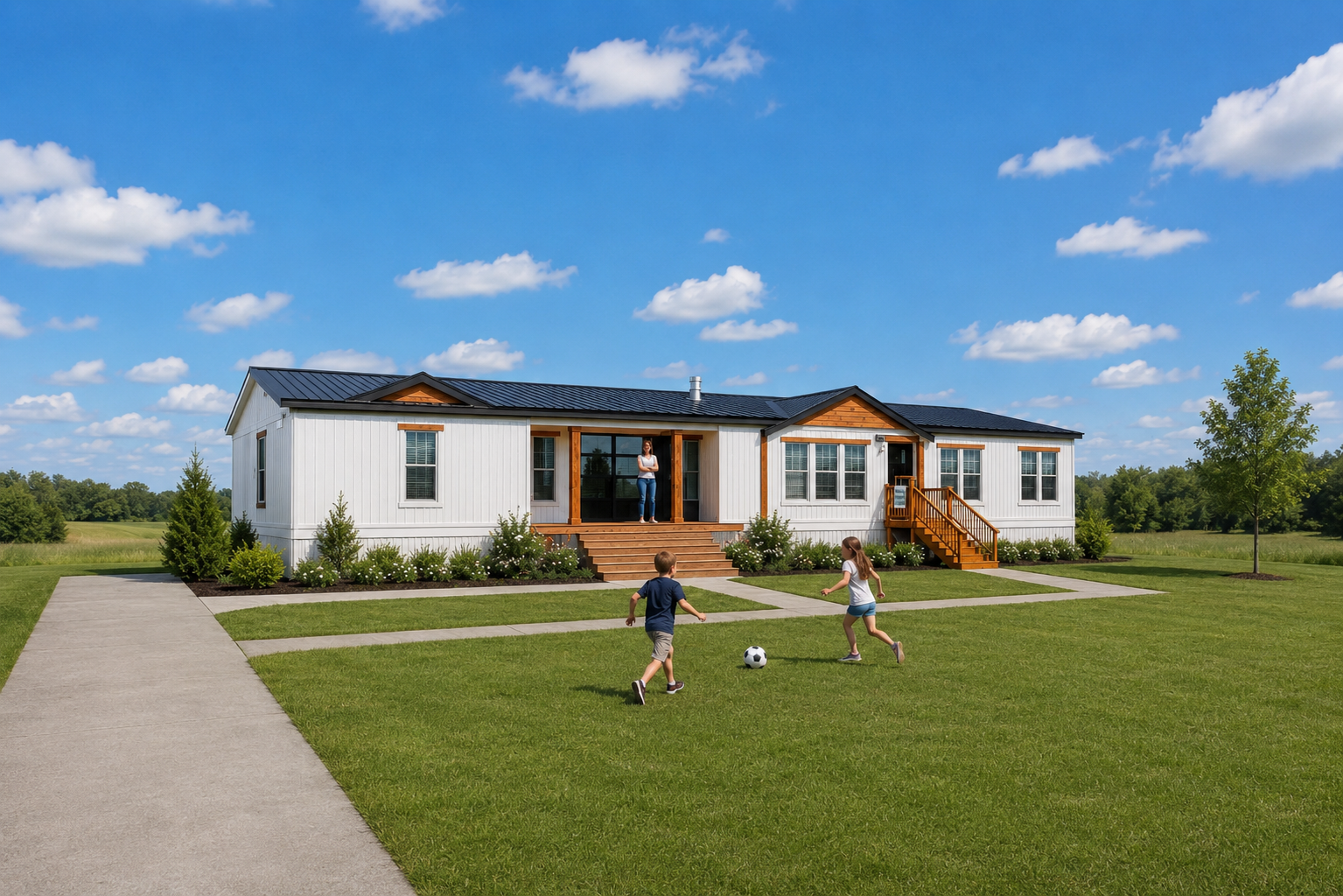
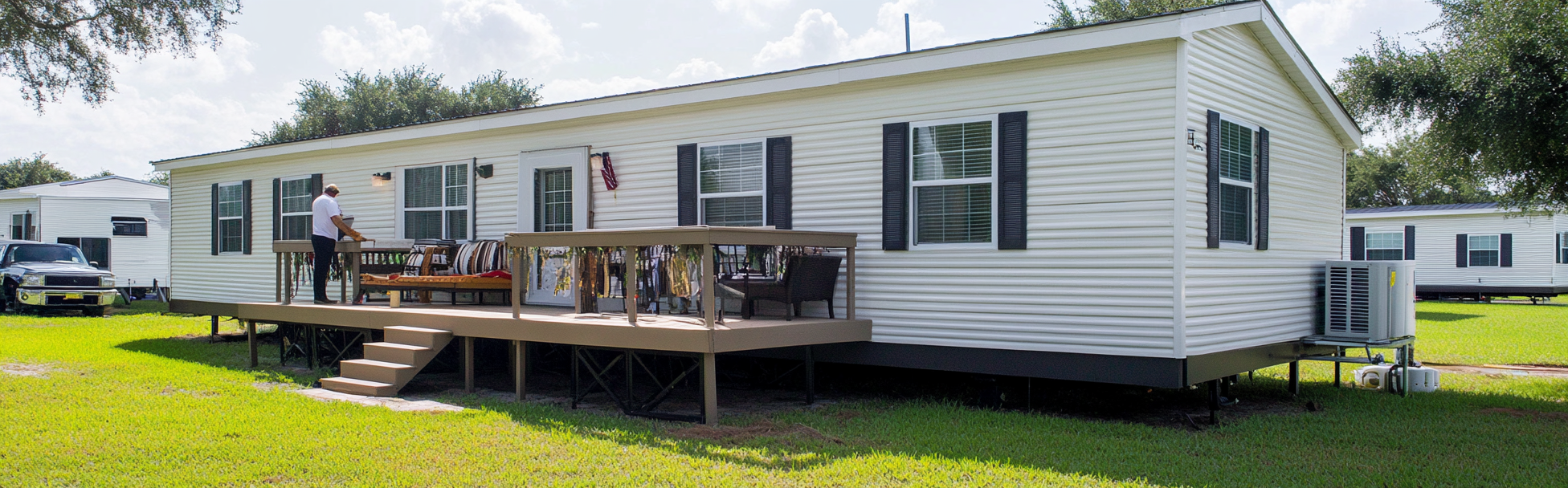
A manufactured home is built in a factory under HUD's national building code, then transported to a permanent site. These are not the same as modular homes, which are built to local building codes. They are also not the same as the old mobile homes from decades ago. Today's manufactured homes can look and feel like traditional site-built homes, with modern layouts, updated finishes, and real square footage.

The distinction matters because financing, zoning, and resale value all depend on how the home is titled and whether it sits on a permanent foundation.

The Pros of Manufactured Homes Near Fort Bragg

Affordability

This is the main reason buyers consider manufactured homes. In the Fayetteville and Fort Bragg area, a manufactured home can run significantly less than a comparable site-built home. For military families stretching BAH or buyers working with a tighter budget, that price difference is hard to ignore.

You get more square footage for the money in most cases. That matters when you have kids, need a home office, or just want space after years of base housing.

Faster Move-In

Most manufactured homes are ready in 6 to 8 weeks from the factory. If you are on a tight PCS timeline and need to get settled quickly, that speed can be a real advantage over waiting on new construction.

Modern Features

Today's manufactured homes are not what most people picture. Many come with open floor plans, kitchen islands, energy-efficient appliances, and updated HVAC systems. You have options on finishes and layouts depending on the builder and the community.

Location Flexibility

You can place a manufactured home on private land or in a community. Around the Fort Bragg area, there are options in Hope Mills, Spring Lake, and parts of Hoke County. If you own land already, this can be a cost-effective way to build equity on your own property.

The Cons of Manufactured Homes Near Fort Bragg

Financing Is More Complicated

This is the biggest issue we see buyers run into. VA loans, FHA loans, and conventional financing are all available for manufactured homes, but there are requirements attached.

The home generally needs to be on a permanent foundation and titled as real property, not personal property. If the home is in a land-lease community where you do not own the land underneath it, your financing options get much more limited and the rates get higher.

If you are using a VA loan, the lender will want to confirm the foundation meets VA standards. This is not impossible, but it is something to verify before you fall in love with a specific home.

Depreciation Risk

A manufactured home on land you own and titled as real property can appreciate like a traditional home. A manufactured home in a community where you lease the land is a different story. That type tends to depreciate over time, which is the opposite of what most buyers want.

Know which situation you are buying into before you make an offer.

Community Fees

If your manufactured home sits in a land-lease community, expect monthly lot fees ranging from around $300 to $800 or more, depending on the location and amenities. That cost needs to factor into your monthly budget alongside your mortgage payment.

Zoning Restrictions

Not every piece of land in Cumberland, Hoke, or Harnett County allows manufactured housing. Zoning rules vary by municipality and by zone. Always verify zoning before you make any commitments on land or a specific home.

Resale Challenges

Manufactured homes can be harder to resell than traditional homes, particularly in communities where you lease the land. The pool of buyers is smaller, and financing options for the next buyer face the same hurdles you faced on the way in. If you are thinking about holding the home as a rental after your next PCS, make sure the numbers work with a realistic rental rate for that area.

Thinking about whether a manufactured home makes sense for your situation? We can walk you through the numbers and financing options specific to your rank and BAH. Schedule a free consultation here: https://calendly.com/jamesmwalker181/buyer-or-seller-meeting

Using a VA Loan on a Manufactured Home

Yes, you can use your VA loan benefit on a manufactured home. But there are conditions.

The home must be on a permanent foundation. It must be titled as real property. It must meet VA's minimum property requirements. And the lender has to be approved to do VA manufactured home loans, which not every lender handles.

The good news is that in the Fayetteville and Fort Bragg market, we work with lenders who know exactly how to structure these loans. If this is the route you want to go, get with a VA-approved lender early so you know what you are working with before you start shopping.

Is a Manufactured Home Right for You?

It depends on your situation. Here is a simple way to think about it.

A manufactured home may make sense if you own or plan to buy land, you want more square footage for less money, you are on a tight PCS timeline and need to move fast, or you are a first-time buyer working with a limited budget.

A manufactured home may not be the right move if you are buying in a land-lease community and plan to build equity, you want the strongest possible resale position when your next orders come, or your financing situation does not meet the requirements for real property loans.

We have seen both scenarios play out. The key is going in with clear eyes on what you are buying and why.

FAQ

Can I use a VA loan to buy a manufactured home near Fort Bragg? Yes, but the home needs to meet specific requirements, including a permanent foundation and a real property title. Work with a VA-approved lender who handles manufactured home loans before you start shopping.

Are manufactured homes a good investment near Fayetteville, NC? It depends on whether you own the land. A manufactured home on land you own can appreciate like a traditional home. A home in a land-lease community where you rent the lot is more likely to depreciate over time.

What is the difference between a manufactured home and a modular home? A manufactured home is built to HUD's federal building code in a factory. A modular home is also factory-built, but must meet state and local building codes. They look similar but are treated differently for financing and zoning purposes.

How long does it take to get into a manufactured home? Most manufactured homes are move-in ready within 6 to 8 weeks from the factory, which is faster than most new construction site-built homes.

Are there manufactured homes for sale near Fort Bragg? Yes. There are options in Hope Mills, Spring Lake, and parts of Hoke County near Fort Bragg. Availability changes frequently, so reach out to us directly for current listings.

What are the monthly costs I should budget for in a manufactured home community? Beyond your mortgage payment, budget for monthly lot fees if you are in a land-lease community. Those fees typically run between $300 and $800 per month, depending on the location and amenities included.


About the Author: James M. Walker

James Walker has lived in Fayetteville and the surrounding areas for more than 35 years. After serving 20 years as a Fayetteville police officer and spending the past 6 years in real estate, he brings deep local knowledge and practical experience to every transaction. He specializes in helping military families, veterans, first responders, and relocating buyers navigate the process with clarity and confidence. Working alongside his wife, Stephanie, James focuses on education, strong communication, and helping clients make informed decisions when buying or selling in North Carolina.

About All American Realty Group

All American Realty Group helps buyers and sellers across Fayetteville, Raeford, Hope Mills, Spring Lake, and surrounding North Carolina communities. We specialize in helping military families, first-time buyers, and relocating homeowners understand financing options, down payment assistance programs, and local market conditions.

With deep knowledge of Cumberland County and the Fort Bragg area, our team focuses on clear communication, strategic planning, and making the buying or selling process simple.

If you are considering purchasing or selling a home anywhere in North Carolina, we can help you understand your options and build a plan that fits your budget.

Contact us at All American Realty Group at 910-988-8578 | 3820 Raeford Road, Suite A, Fayetteville, NC 28304


Schedule a buyer or seller consultation here: https://calendly.com/jamesmwalker181/buyer-or-seller-meeting

April 8, 2025

Living in Southern Pines NC: What Military Families and Veterans Need to Know

James M. Walker | All American Realty Group | Retired Fayetteville Police | 35 Years Local | 200+ Homes Sold

Southern Pines comes up more often than you might expect in conversations with military families near Fort Bragg.

It sits about 35 to 40 minutes from the main gates of Fort Bragg in Moore County. For families who want a quieter lifestyle, more space, and a different feel than Fayetteville or Hope Mills, Southern Pines offers something most suburbs near the base do not. A genuine small town with its own identity, strong schools, and a quality of life that keeps people here long after their military service ends.

At All American Realty Group we have helped 200+ families buy homes in the Fayetteville area and surrounding communities including Moore County. Here is what you need to know about living in Southern Pines before you decide if it is the right fit.

Where Is Southern Pines NC

Southern Pines sits in Moore County in the Sandhills region of North Carolina. It is about 35 to 40 minutes from Fort Bragg, an hour from Raleigh, and roughly two and a half hours from Charlotte.

The location works well for military families who do not mind the commute in exchange for more space, lower density, and a town that feels completely different from a typical military gateway city. It also has an Amtrak station downtown which is a rare convenience for a city this size.

Nearby cities include Pinehurst, Aberdeen, and Carthage, all within a short drive. The Moore County area as a whole gives residents access to golf, outdoor recreation, and a strong local economy that is not entirely dependent on Fort Bragg the way Fayetteville is.

What It Is Like to Live in Southern Pines

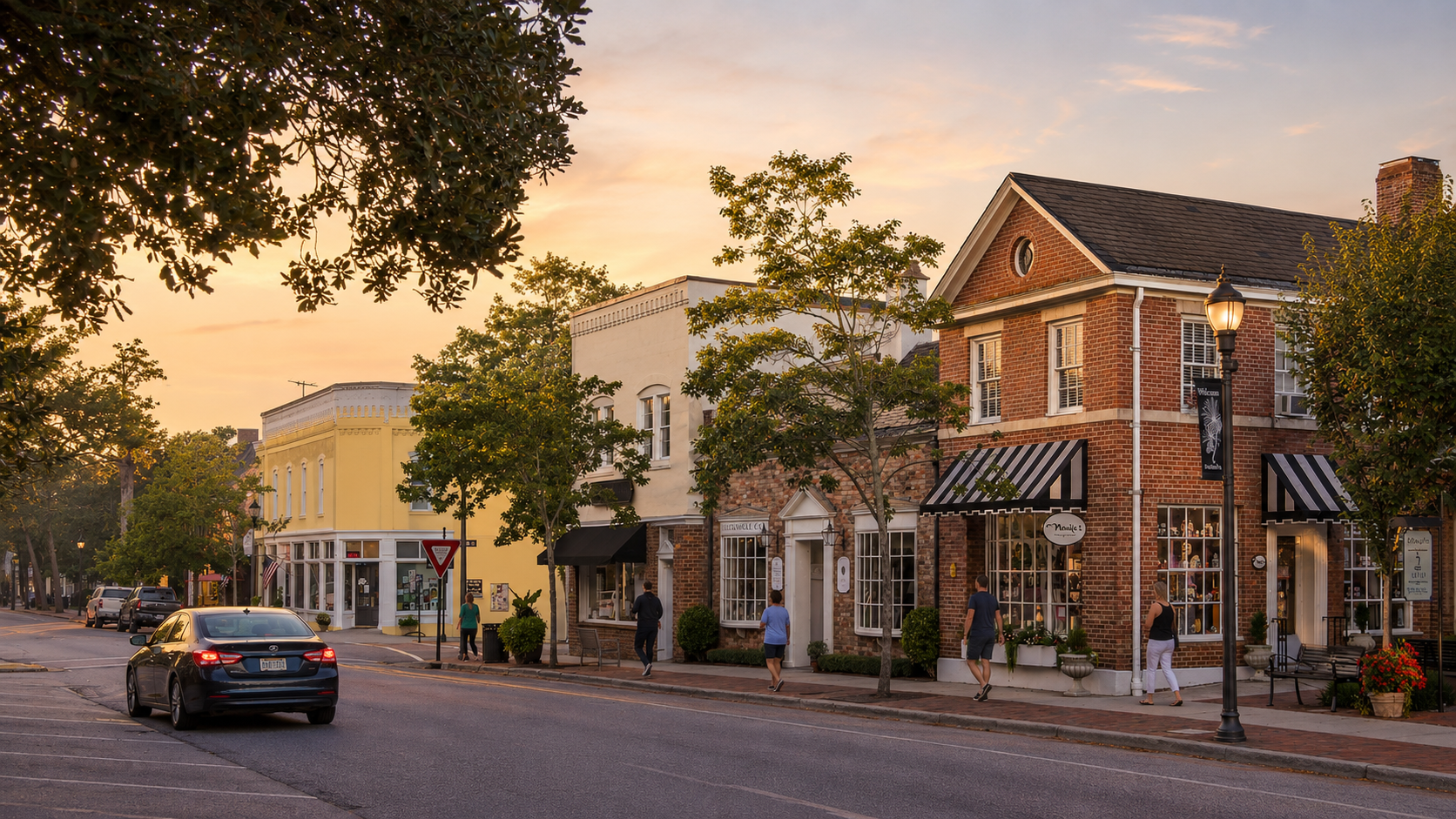
Southern Pines has a downtown with brick sidewalks, historic buildings, local restaurants, and boutique shops. It is the kind of town where people know their neighbors and community events actually draw a crowd. The pace is slower and the feel is distinctly different from the military corridor around Fort Bragg.

That is intentional for a lot of the families who end up here. After years of base housing and PCS moves, many veterans and military families want something that feels settled. Southern Pines delivers that.

Outdoor Recreation

Southern Pines is well suited for families who spend time outside. Reservoir Park offers lakeside trails and green space close to town. Weymouth Woods is a 900-acre nature preserve with hiking trails and one of the few remaining longleaf pine forests in the region. The Walthour-Moss Foundation manages more than 4,000 acres of riding trails and open land for equestrian riders, which makes Southern Pines one of the more unique communities in North Carolina for families with that interest.

Golf

Moore County is home to some of the most well-known golf courses in the country including Pinehurst Resort. Golf is part of the fabric of daily life in the Sandhills area. If that matters to your family, Southern Pines puts you in the middle of it.

Real Estate in Southern Pines

Southern Pines has more variety in its housing market than most people expect. You will find historic cottages near downtown, newer construction homes in golf course communities, equestrian properties with acreage, and quiet suburban areas with more traditional layouts.

As of 2025, the median home price in Southern Pines runs around $458,000. That is higher than most areas closer to Fort Bragg including Hope Mills and Raeford, but you are getting more in terms of lot size, community character, and long-term lifestyle.

VA loans work in Southern Pines the same as anywhere else in North Carolina. For veterans with a strong disability rating, the North Carolina property tax exclusion for disabled veterans can help offset costs. Our property tax guide and VA loan guide cover both in detail.

Thinking about buying in Southern Pines or comparing it to other areas near Fort Bragg? We can help you run the numbers and figure out which location fits your commute, budget, and lifestyle. Schedule a free consultation here.

Schools in Southern Pines

Southern Pines is served by Moore County Schools, a district with a solid reputation and newer facilities in several areas. Families relocating from Cumberland County often find Moore County Schools to be a comparable or stronger option depending on the specific school and program.

Sandhills Community College is located in Pinehurst and offers affordable programs for continuing education, job training, and transfer pathways. For military spouses and veterans pursuing education after service, it is a practical local option.

Cost of Living in Southern Pines

Southern Pines runs about 1% above the national average in overall cost of living, driven primarily by housing prices. Utilities, groceries, and daily expenses are generally in line with or slightly below national averages.

Compared to Fayetteville, you are paying more for a home in Southern Pines. Compared to Raleigh or Charlotte, you are paying significantly less for a similar quality of life. For military families and veterans who want a high quality of life without major metro price tags, that trade-off tends to work well.

North Carolina does not tax military retirement pay, which is a meaningful benefit for veterans who retire in the state. That savings adds up quickly and makes Southern Pines more financially accessible for retirees than the sticker price on homes might initially suggest.

Safety in Southern Pines

Southern Pines is a smaller city with generally lower crime than Fayetteville. Property crime exists, as it does in any city, but the overall environment is quieter and more residential. The newer developments and golf course communities tend to have very low crime activity.

For military families coming from areas with more significant crime concerns, Southern Pines typically feels like a significant step up in day to day safety and comfort.

Dining and Community in Southern Pines

Downtown Southern Pines has a solid dining scene for a city its size. Local options include The Bell Tree Tavern, Elliotts on Linden, and Full Moon Oyster Bar among others. The downtown area hosts First Friday events monthly and several well-known annual events including the Peach Festival and the Blessing of the Hounds.

The community events calendar is more active than most people expect for a city this size. That community involvement is part of what makes Southern Pines feel different from a generic suburb.

Is Southern Pines the Right Fit for Your Family

Southern Pines works well for specific types of military families and veterans. Here is a quick breakdown.

It tends to be a strong fit for families who want more space and a slower pace, veterans retiring out of Fort Bragg who want to stay in North Carolina, families who value outdoor recreation, golf, or equestrian lifestyle, and buyers who can handle the commute to Fort Bragg in exchange for a different quality of life.

It tends to be less ideal for families who need to minimize commute time, buyers working with tighter BAH budgets, or families who want the convenience of being close to the base for daily errands and activities.

If you are weighing Southern Pines against Hope Mills, Raeford, or other areas near Fort Bragg, that is exactly the conversation we have with buyers before we start showing homes. The right answer depends on your priorities and we have helped enough families in both areas to give you an honest comparison.

Frequently Asked Questions About Living in Southern Pines NC

How far is Southern Pines from Fort Bragg?

Southern Pines is approximately 35 to 40 minutes from the main gates of Fort Bragg depending on traffic and which part of the installation your unit is on. It is a longer commute than Hope Mills or Raeford but many military families find the lifestyle trade-off worth it.

Is Southern Pines NC a good place to retire after military service?

Yes. Southern Pines is one of the more popular retirement destinations for veterans leaving Fort Bragg. The combination of small town character, outdoor recreation, golf, and North Carolina's military retirement pay tax exemption makes it a financially and lifestyle-smart choice for many retirees.

What are home prices like in Southern Pines NC?

The median home price in Southern Pines runs around $458,000 as of 2025. You will find options above and below that depending on the type of home, lot size, and community. VA loans work in Southern Pines and there is a range of inventory from historic downtown homes to newer golf course construction.

What school district is Southern Pines NC in?

Southern Pines is served by Moore County Schools. The district has a solid reputation with newer facilities in several areas and is generally well regarded by families relocating from Cumberland County.

Does North Carolina tax military retirement pay?

No. North Carolina does not tax military retirement pay. That is a meaningful financial benefit for veterans retiring in the state and one that makes communities like Southern Pines more accessible than the home prices alone might suggest.

Is Southern Pines safe to live in?

Southern Pines is generally safe, particularly in the newer developments and golf course communities. Property crime exists at levels typical of a small city but the overall environment is significantly quieter than Fayetteville. Most military families who move here report feeling comfortable in the community quickly.

About the Author: James M. Walker

James Walker has lived in Fayetteville and the surrounding areas for more than 35 years. After serving 20 years as a Fayetteville police officer and spending the past 6 years in real estate, he brings deep local knowledge and practical experience to every transaction. He specializes in helping military families, veterans, first responders, and relocating buyers navigate the process with clarity and confidence. Working alongside his wife, Stephanie, James focuses on education, strong communication, and helping clients make informed decisions when buying or selling in North Carolina.

About All American Realty Group

All American Realty Group helps buyers and sellers across Fayetteville, Raeford, Hope Mills, Spring Lake, and surrounding North Carolina communities. We specialize in helping military families, first-time buyers, and relocating homeowners understand financing options, down payment assistance programs, and local market conditions.

With deep knowledge of Cumberland County and the Fort Bragg area, our team focuses on clear communication, strategic planning, and making the buying or selling process simple.

If you are considering purchasing or selling a home anywhere in North Carolina, we can help you understand your options and build a plan that fits your budget.

Contact us at All American Realty Group at 910-988-8578 | 3820 Raeford Road, Suite A, Fayetteville, NC 28304

Schedule a buyer or seller consultation here.


March 29, 2025

Don't Buy These Types of Homes in North Carolina: A Real Estate Insider's Warning

Buying a home in North Carolina is an exciting milestone—whether you're relocating for a job, moving closer to family, or planting roots in one of our beautiful cities. But not all homes are created equal. As a licensed real estate broker in North Carolina, I’ve seen my fair share of buyer regrets. So let’s save you the heartache (and a ton of money) with this honest, boots-on-the-ground guide to homes you should NEVER buy in the Tar Heel State. Buying a home is one of the biggest investments of your life and taking out a mortgage for the next 30 years can be stressful. 


In a recent Youtube video, I went over the types of homes you should avoid. 


1. Homes With Major Foundation Issues

North Carolina soil can be tricky. From shifting clay in the Piedmont to coastal flood-prone zones, foundation problems are common. Watch out for:

  • Cracks in walls or floors

  • Uneven or sloping flooring

  • Doors and windows that stick


Foundation repairs can cost anywhere from $5,000 to $25,000+. Always get a structural inspection if there are signs of movement.


2. Flipped Homes With No Permits

Flipping is hot, but some investors care more about profit than quality. Cosmetic upgrades may cover up bigger issues:

  • Electrical and plumbing problems

  • Shoddy drywall or trim work

  • Unpermitted additions

Before you fall in love with the Pinterest-worthy kitchen, check the permit history. If it was bought and resold quickly, be extra cautious.


3. Homes in High-Risk Flood Zones

Eastern North Carolina, coastal regions, and even parts of central NC are prone to flooding. Flood insurance can cost thousands per year and still not cover everything. If a property sits in a 100-year or 500-year floodplain, weigh the long-term risk. I live in Fayetteville, North Carolina and was a victim of Hurricane Matthew and our house was flooded with 6 feet of water in it. 

Pro Tip: Always check the FEMA flood map and ask your insurance provider if flood insurance is required.


4. Houses With Outdated or Unsafe Electrical Systems

Older homes (built before the 1970s) may still have:

Upgrading electrical systems is expensive and necessary for safety. Don’t waive inspections just to compete in a bidding war—it could cost you dearly later.

5. Homes With Uninsurable Roofs

In North Carolina, the roof is a huge factor in insurability. Insurance companies often refuse to cover homes with roofs over 20 years old. If the roof is:

  • Curling, cracking, or missing shingles

  • Overdue for replacement

...you may need to pay out of pocket or get denied coverage altogether.

6. Properties With "Fake Bedrooms"

Not every room labeled as a bedroom is actually legal. In North Carolina, a bedroom must have. Homes with non-conforming layouts are harder to resell and may not qualify for certain loans.

Bonus rooms or "man caves" are not bedroom unless they have the following: 

  • At least one window for egress

  • A closet

  • Direct access (not through another room)

7. Overly Customized or Themed Homes

We love personality, but there’s a limit. Think:

  • Built-in aquariums

  • Home theaters with stadium seating

  • Kitchens straight out of a sci-fi movie

These features can scare away buyers when it's time to sell—and remodels are pricey. Yes I wants saw a bathroom covered in sea shells the floor, shower, and tile. With unique features like that it's hard to sell sometimes.

8. Homes With Underground Oil Tanks

If you're buying an older home (especially in rural parts of NC), ask if it ever used oil heating. Buried oil tanks can leak and lead to massive environmental cleanup costs. Removal and soil remediation can exceed $10,000 or more.


Final Thoughts

Buying a home in North Carolina doesn’t have to be a gamble. The best way to avoid these money pits is to work with a trusted local expert who knows what to look for. Whether you’re moving to Charlotte, the Triangle, the mountains, or the coast—I’m here to help.

Ready to get started the right way? Contact me today through FayettevilleNCHomesForSale.org and let’s find the home that’s perfect for you, not just your budget.


March 4, 2025

Moving to Fort Bragg NC: PCS Housing, Cost of Living, Schools and What to Expect

James M. Walker | All American Realty Group | Retired Fayetteville Police | 35 Years Local | 200+ Homes Sold


Getting PCS orders to Fort Bragg is one of the more common moves in the Army. Fort Bragg is home to the 82nd Airborne Division and U.S. Army Special Operations Command, which means soldiers rotate in and out constantly. If you just got orders, you are not starting from scratch. A lot of families have made this exact move and figured it out.

At All American Realty Group, we have helped 200+ military families get settled in the Fort Bragg area. This guide covers the housing decisions, costs, schools, and practical details that actually matter when you are planning a PCS here.

On-Post vs Off-Post Housing at Fort Bragg

This is the first decision most families face, and it is worth thinking through carefully.

On-Post Housing

Fort Bragg on-post housing is managed by Corvias. The communities are organized by rank and family size, and they cover the basics well. You are close to post facilities, your kids can walk to school, and the commute to formation is about as short as it gets.

The wait time varies more than most people expect. Recent reports from families who went through the process in 2025 and early 2026 put the average at 2 to 3 months for most main post areas. Some families got an offer in 2 weeks by being flexible on the neighborhood. Others waited longer by holding out for a specific area or floor plan.

A few things that affect your wait time: your rank band and how many bedrooms you need, whether you have preferences on specific communities like Cameron or Linden Oaks, and when you are PCSing. Summer PCS season drives up demand and can stretch timelines.

The best move is to apply as soon as you get orders. Do not wait until you arrive. You can apply online at bragg.corviaspm.com or call the Corvias leasing office directly at 910-495-0878. The Housing Services Office at 910-396-1022 can also help with guidance on current availability.

Plan for temporary lodging while you wait. Most families use TLE or short-term off-post housing as a bridge. Do not assume on-post housing will be ready the day you pull in.

Single soldiers have different options, including barracks assignments based on rank. If you are an E-5 or above you may have more flexibility to live off-post, but check with your unit on current policy. Randolph Pointe has options for senior NCOs worth asking about separately.

Off-Post Housing

Most military families at Fort Bragg live off-post. The suburbs around the installation give you more space, more privacy, and, in many cases, a better quality of life than on-post housing. Your BAH is designed to cover off-post housing costs in this market, and in most cases, it does the job well.

The suburbs we work with most for military families are Hope Mills, Spring Lake, Raeford, Stedman, and Eastover. Each one has a different feel and a different commute, which we break down below. You can also browse more Fayetteville area content here.

The Best Suburbs Near Fort Bragg for Military Families

Spring Lake

Spring Lake sits directly adjacent to Fort Bragg, about 5 to 7 miles from the main gate. Commute times run 8 to 12 minutes on a normal day. If eliminating drive time is your top priority, Spring Lake is your answer.

Home prices in Spring Lake are among the lowest in the area, which means your BAH goes further here than anywhere else on this list. The trade-off is fewer dining and retail options compared to Fayetteville or Hope Mills.

Explore more about Spring Lake | Town of Spring Lake official site

Hope Mills

Hope Mills is about 30 minutes from Fort Bragg and consistently ranks as one of the most popular choices for military families who have done a prior tour here and know what they want. The schools are the best-rated in Cumberland County, the community is tight-knit, and Hope Mills Lake gives families a real quality of life amenity that is hard to find elsewhere.

Home prices in Hope Mills currently run between $240,000 and $300,000 for a solid 3 or 4 bedroom home. If you have school-age kids, Hope Mills is worth the longer commute.

Explore more about Hope Mills | Town of Hope Mills official site

Raeford

Raeford sits in Hoke County about 25 to 30 minutes from Fort Bragg via US-401. Families who choose Raeford are usually after more land and square footage for their money. New construction is active here, and you can find larger homes at prices comparable to or lower than those in Fayetteville.

Gate 7 on the western side of the post is the most convenient entry point for Raeford residents, which cuts the actual commute down compared to using the main gate.

Explore more about Raeford | City of Raeford official site

Stedman

Stedman is a smaller community east of Fayetteville with a quiet, rural feel. Families who want to get away from the congestion of the city while still being within a reasonable distance of the post choose Stedman for the space and the lower price points. It is a good fit for families who work on the eastern side of the post.

Eastover

Eastover sits southeast of Fayetteville and offers a similar feel to Stedman. More land, more space, and lower prices than the suburbs closer to the city. It is less congested and appeals to families who want a slower pace outside of work hours.

Trying to figure out which suburb fits your family and your BAH? We have helped 200+ military families work through exactly this decision. Schedule a free consultation here: https://calendly.com/jamesmwalker181/buyer-or-seller-meeting

Should You Buy or Rent Near Fort Bragg?

This comes up on every PCS, and the answer depends on your situation.

Buying makes sense if you are likely to be at Fort Bragg for 3 years or more. With a VA loan, you put zero down, skip PMI, and start building equity from day one. When your next PCS comes, you can sell and pocket the appreciation or keep it as a rental property. Soldiers who buy near Fort Bragg have a built-in rental market because there is always another family PCSing in who needs a place to live.

Renting makes more sense if your tour length is uncertain, you are waiting on a deployment, or you want time to learn the area before committing to a specific suburb.

We are happy to run the numbers for your specific rank and BAH so you can see which option makes more financial sense for your situation.

Cost of Living Near Fort Bragg

The Fayetteville area has a lower cost of living than most markets near major military installations. Here is a realistic breakdown:

Rent for a 3-bedroom home runs between $1,500 and $2,200 per month, depending on the suburb and condition of the home. Home prices for buyers range from around $195,000 in Spring Lake up to $300,000 in Hope Mills for a quality family home.

Utilities typically run $150 to $250 per month. Groceries run about 10% below the national average. Gas prices track close to the state average.

For most ranks from E-5 through O-3, BAH in this area is designed to cover a reasonable off-post housing payment. We work with families at all pay grades and can show you what your BAH actually buys in each suburb.

Schools Near Fort Bragg

Cumberland County Schools serves the majority of the Fort Bragg area. School quality varies by zone, so where you buy or rent matters.

Hope Mills has the highest-rated schools in the county overall. Spring Lake schools are rated below the county average. Fayetteville has a wide range, depending on the specific school zone.

If schools are a priority for your family, tell us that upfront. We will match you to suburbs and specific areas with the strongest school assignments before you make any commitments.

For private school options, Fayetteville Academy and Village Christian Academy are both well-regarded choices in the area.

Healthcare Near Fort Bragg

Womack Army Medical Center on post is the primary medical facility for active duty families. For anything Womack cannot handle or for family members using Tricare off-post, Cape Fear Valley Medical Center in Fayetteville is the main civilian hospital.

Make sure your Tricare enrollment transfers before you arrive. Getting that sorted before your move saves a lot of headaches during in-processing.

In-Processing at Fort Bragg

When you arrive, report to the Soldier Support Center on Normandy Drive within 24 hours. Bring your PCS orders, medical and dental records, and housing documents.

If you can make an appointment at the Reception Center before you arrive, do it. Walk-ins get seen eventually, but appointments move faster, and you have enough going on during a PCS without adding unnecessary wait time to the list.

FAQ

What is the wait time for on-post housing at Fort Bragg? It varies. Some families get on-post housing within a few months. Others wait over a year, depending on rank, family size, and availability. Do not count on having on-post housing ready when you arrive. Have an off-post plan ready as a backup.

Is it better to buy or rent near Fort Bragg? If you are staying 3 or more years, buying with a VA loan almost always makes more financial sense than renting. Zero down, no PMI, and you build equity instead of paying someone else's mortgage. We run these numbers with families all the time, and buying usually wins.

What suburbs near Fort Bragg are best for military families? Hope Mills for families with school-age kids. Spring Lake for the shortest commute. Raeford for more space and land. Stedman and Eastover for a quieter, more rural feel. The right answer depends on your priorities and your BAH.

Can I use a VA loan to buy near Fort Bragg? Yes. VA loans work throughout Cumberland, Hoke, and Harnett Counties. Zero down, no PMI, and competitive rates. It is one of the best financial benefits available to military families, and we help buyers use it on every eligible purchase.

How far is off-post housing from Fort Bragg? Depends on the suburb. Spring Lake is 8 to 12 minutes. Hope Mills is about 30 minutes. Raeford is 25 to 30 minutes. Stedman and Eastover run 20 to 35 minutes, depending on which gate you use.

What is the cost of living like near Fort Bragg? Lower than most markets near major military installations. Groceries run about 10% below the national average, utilities are reasonable, and home prices are affordable compared to other Army posts around the country. Most BAH rates in this area cover a solid off-post housing payment.


About the Author: James M. Walker

James Walker has lived in Fayetteville and the surrounding areas for more than 35 years. After serving 20 years as a Fayetteville police officer and spending the past 6 years in real estate, he brings deep local knowledge and practical experience to every transaction. He specializes in helping military families, veterans, first responders, and relocating buyers navigate the process with clarity and confidence. Working alongside his wife, Stephanie, James focuses on education, strong communication, and helping clients make informed decisions when buying or selling in North Carolina.

About All American Realty Group

All American Realty Group helps buyers and sellers across Fayetteville, Raeford, Hope Mills, Spring Lake, and surrounding North Carolina communities. We specialize in helping military families, first-time buyers, and relocating homeowners understand financing options, down payment assistance programs, and local market conditions.

With deep knowledge of Cumberland County and the Fort Bragg area, our team focuses on clear communication, strategic planning, and making the buying or selling process simple.

If you are considering purchasing or selling a home anywhere in North Carolina, we can help you understand your options and build a plan that fits your budget.

Contact us at All American Realty Group at 910-988-8578 | 3820 Raeford Road, Suite A, Fayetteville, NC 28304


Schedule a buyer or seller consultation here: https://calendly.com/jamesmwalker181/buyer-or-seller-meeting

Feb. 17, 2025

Buying a manufactered or modular homes in Fayetteville, North Carolina

Manufactured Homes Pros and Cons in Fayetteville, North Carolina

Are you considering a manufactured home in Fayetteville, North Carolina? With rising housing costs and a growing demand for affordable living, manufactured homes have become an attractive option for many homebuyers. But are they the right fit for you? In this comprehensive guide, we’ll break down the pros and cons of manufactured homes in North Carolina, helping you make an informed decision.


What Is a Manufactured Home?

Manufactured homes, sometimes called mobile homes, are built in a factory and then transported to their final location. Unlike modular homes, which are assembled on-site, manufactured homes come pre-built and must comply with federal HUD (Housing and Urban Development) standards. These homes offer affordability and flexibility, making them a great alternative to traditional site-built homes.


Pros of Manufactured Homes in North Carolina

1. Affordability

One of the biggest advantages of manufactured homes is their low cost compared to site-built homes. According to industry reports, the average cost per square foot for a manufactured home is significantly lower than a traditional home. This makes homeownership more accessible for first-time buyers, retirees, and families on a budget.

2. Quick Construction & Installation

Since manufactured homes are built in a controlled factory setting, they are produced faster than site-built homes. The typical timeframe from order to move-in is around 60 to 90 days, compared to several months (or even years) for traditional homes.

3. Energy Efficiency

Modern manufactured homes are designed to be energy-efficient, with options like Energy Star-certified appliances, upgraded insulation, and smart home features that can help reduce utility costs.

4. Customization Options

Unlike old-school mobile homes, today’s manufactured homes come with a variety of floor plans, design styles, and high-end features, including open layouts, stainless steel appliances, and even luxury finishes.

5. Lower Property Taxes

In many parts of North Carolina, property taxes for manufactured homes are lower than for site-built homes, saving homeowners hundreds or even thousands of dollars annually.

6. Flexible Placement & Land Options

You can place a manufactured home in a dedicated community or on private land, giving you greater flexibility in choosing your ideal location. Many communities even offer amenities such as pools, clubhouses, and security.

7. Financing Options

While financing a manufactured home can be trickier than a site-built home, options like FHA, VA, USDA, and chattel loans make it possible for many buyers to qualify for a mortgage.


Cons of Manufactured Homes in North Carolina

1. Depreciation in Value

Unlike site-built homes, which typically appreciate in value over time, manufactured homes often depreciate. However, this largely depends on factors such as location, upkeep, and whether the home is placed on owned or leased land.

2. Land & Zoning Restrictions

Not all areas in North Carolina allow manufactured homes. Some zoning laws restrict placement, especially in high-end neighborhoods. Before purchasing, check with local zoning regulations in your desired location.

3. Financing Challenges

Although financing options exist, some lenders classify manufactured homes as personal property rather than real estate, leading to higher interest rates and shorter loan terms.

4. Structural Durability & Weather Resistance

While modern manufactured homes are built to HUD standards, they may not be as structurally sound as site-built homes, especially in extreme weather conditions like hurricanes or tornadoes, which are common in North Carolina.

5. Stigma & Misconceptions

Despite advancements in quality and design, some people still associate manufactured homes with lower status or poor construction. This stigma can affect resale value and community perception.

6. Limited Customization Compared to Site-Built Homes

While manufactured homes do offer customization, they don’t provide the same level of architectural freedom as site-built homes. Expanding or significantly modifying a manufactured home can be challenging and costly.


Manufactured Homes vs. Modular Homes vs. Site-Built Homes

Feature Manufactured Homes Modular Homes Site-Built Homes
Cost Most Affordable Mid-Range Most Expensive
Construction Time Fast (60-90 days) Moderate Slow (Months-Years)
Customization Limited Moderate Full Flexibility
Financing Options Some Restrictions More Available Most Available
Durability HUD Standard State Building Code Highest Quality
Resale Value Often Depreciates Appreciates Appreciates


Is a Manufactured Home Right for You?

If you’re looking for an affordable, energy-efficient, and quick housing solution, a manufactured home in North Carolina could be a great option. However, you should weigh the potential downsides like financing hurdles, zoning restrictions, and resale value before making a decision.


FAQs About Manufactured Homes in North Carolina

1. Do Manufactured Homes Appreciate in Value?

While they generally depreciate, homes on owned land in desirable locations may hold or increase their value over time.

2. Can You Get a Mortgage for a Manufactured Home?

Yes, but financing can be more difficult. Look into FHA, VA, USDA, and chattel loans as options.

3. Are Manufactured Homes Safe in Storms?

Modern manufactured homes are built to HUD safety standards, but they may not be as storm-resistant as site-built homes.

4. Where Can I Place a Manufactured Home in North Carolina?

You can place a manufactured home in dedicated communities, rural areas, or private land, but always check local zoning laws.

5. What’s the Lifespan of a Manufactured Home?

With proper maintenance, manufactured homes can last 30-55 years, sometimes longer.


Final Thoughts

Manufactured homes offer a cost-effective and flexible path to homeownership in North Carolina. However, before making a purchase, consider the long-term implications, financing options, and zoning laws. If you’re ready to explore manufactured homes, contact Fayetteville NC Homes for Sale for expert guidance on finding the right home for you!


Jan. 6, 2025

Fayetteville North Carolina first time homebuyers


If you're ready to take the leap into homeownership but worried about saving for a down payment, you're not alone. Many first-time homebuyers face this hurdle. Luckily, North Carolina offers a range of down payment assistance programs to help turn your dream of owning a home into reality. Let’s explore these incredible opportunities that make buying a home more affordable for you. We have helped hundreds of buyers buy their first home with North Carolina down payment assistance.

Why Choose North Carolina for Your First Home?

North Carolina is an ideal state for first-time homebuyers. With affordable housing markets, diverse communities, and financial assistance programs, owning a home here has never been more accessible. Whether you’re relocating to Fayetteville or settling in one of North Carolina’s charming cities, there are programs tailored to help you every step of the way.

Top Down Payment Assistance Programs in NC

1. NC Home Advantage Mortgage™

The NC Home Advantage Mortgage™ program is perfect for first-time and move-up buyers. It offers:

  • Up to 3% in down payment assistance
  • Fixed-rate, affordable mortgages

Eligibility Requirements:

  • Annual income must be below $134,000
  • Minimum credit score of 640
  • Purchase of a home in North Carolina to be used as your primary residence

This program provides forgivable assistance, which means if you stay in your home long enough, you won’t need to repay the down payment help.


2. NC 1st Home Advantage Down Payment

Designed exclusively for first-time homebuyers and military veterans, this program offers $15,000 in down payment assistance.

Key Features:

  • 0% interest deferred second mortgage
  • Forgiven at a rate of 20% annually after year 11

Eligibility Requirements:

  • Must not have owned a home in the last three years (exceptions for veterans and targeted census tracts)
  • Minimum credit score of 640
  • Home must be your primary residence10†source


3. NC Home Advantage Tax Credit

Want to save on taxes while purchasing your first home? The NC Home Advantage Tax Credit allows you to claim up to $2,000 per year in federal tax savings.

Eligibility Requirements:

  • First-time homebuyer, military veteran, or purchasing in a targeted area
  • Must apply for a Mortgage Credit Certificate before purchasing the home9†source

4. Community Home Buying Programs

Programs like the Community Partners Loan Pool (CPLP) and Self-Help Loan Pool (SHLP) provide additional down payment assistance. If your income falls below 80% of your county’s median income, you could qualify for:

  • Up to 25% of the home’s sales price or $50,000 in assistance
  • Zero-interest shared mortgages8†source

How to Apply for Down Payment Assistance in NC

Applying for these programs is easier than you might think. Follow these steps:

  1. Check Eligibility: Visit the program’s website to ensure you meet income, credit, and residency requirements.
  2. Find an Approved Lender: Work with a lender familiar with NC’s assistance programs.

Here are two lenders I have worked with for down payment assistance.

1.  Mitch Guy

2. Larry Davis


  1. Complete Homebuyer Education: Some programs require homebuyer education courses to qualify.
  2. Submit Your Application: Apply for your chosen program and prepare necessary documentation.

FAQs About Down Payment Assistance in NC

1. Can I combine multiple programs? Yes! Some programs, like the NC Home Advantage Mortgage™ and NC Home Advantage Tax Credit, can be combined for greater savings.

2. What is the minimum down payment required in NC? The minimum down payment varies by loan type, but it can be as low as 0% for USDA and VA loans8†source.

3. What happens if I sell my home before the assistance is fully forgiven? Depending on the program, you may need to repay a portion of the assistance if you sell, refinance, or move out before the end of the forgiveness period9†source.

Why Work With Us?

At All American Realty Group, we specialize in helping first-time homebuyers navigate the complex world of real estate and financing. Our team will guide you through the application process, connect you with trusted lenders, and ensure you find the perfect home for your family.

Take the First Step Today

Don’t let the fear of a down payment hold you back from owning your dream home. Explore your options, apply for assistance, and start your journey to homeownership today. Contact us at All American Realty Group to get started!


By leveraging North Carolina’s down payment assistance programs, you’re one step closer to turning your homeownership dreams into reality. Let’s make it happen together!

Posted in
Dec. 25, 2024

The Ultimate Guide to the Home-Buying Process in Fayetteville, North Carolina

Welcome to North Carolina, where relaxation meets opportunity! From our stunning beaches and majestic mountains to vibrant cities like Charlotte and Raleigh—and everything in between—it’s no wonder North Carolina is the 9th most-populated state in the U.S. If you’re thinking about moving to North Carolina and buying a home, you’ve come to the right place.


Step 1: Research the North Carolina Housing Market

North Carolina’s housing market offers diverse options, from historic homes to modern developments. Here’s what to consider:

  • Current Trends: The median home price in North Carolina is $374,100, according to Redfin. For comparison, Raleigh’s median price is $440,000, and Charlotte’s is $480,000.
  • Popular Cities/Counties/Suburbs: Research where you want to move. North Carolina is a large state, so narrowing it down is essential. Whether you prefer the mountains, beaches, or city life, there’s a place for you here.
  • Local Impact: Learn as much as you can about the cities or areas you’re considering. Local culture and amenities can greatly influence your decision.

Step 2: Assess Your Finances

Before diving into house hunting, it’s essential to understand your financial situation:

  • Down Payment: While 3% to 3.5% is standard, buyers in North Carolina can benefit from VA loans requiring no down payment or state assistance programs offering up to $15,000 in down payment assistance through the North Carolina Housing program.
  • Credit Score: Aim for a score of 620 or higher to qualify for favorable mortgage rates.
  • Property Taxes: North Carolina’s property tax rate is lower than in many urban areas but still an important cost to factor into your budget.

Step 3: Get Pre-Approved for a Mortgage

Securing pre-approval not only clarifies your budget but also shows sellers that you’re a serious buyer. Work with local lenders who understand the North Carolina market and can offer competitive rates.


Step 4: Partner with a Local Real Estate Expert

A knowledgeable North Carolina real estate agent is your greatest ally. They will:

  • Guide you to properties that meet your needs.
  • Help navigate military relocation options, such as BAH (Basic Allowance for Housing).
  • Negotiate effectively to get the best deal.
  • Inform you about a new law effective August 17, 2024, regarding buyer agent commissions. While sellers previously paid the buyer agent's commission, this is no longer guaranteed. Your agent will explain which listings cover the commission and which don’t. You may need to cover the difference.
  • Assist with signing a buyer agency agreement, now required to view agent-listed homes. Without this agreement, you cannot view properties listed by agents.

Step 5: Begin Your Home Search

Using tools like MLS listings and online portals, start narrowing down properties. While your real estate agent will handle much of this, if you’re using sites like Zillow or Realtor.com, consider:

  • Proximity to your workplace.
  • Access to schools, amenities, and community resources.
  • Potential for appreciation in value based on location and market trends.

Step 6: Make an Offer

When you find your dream home, your agent will help you craft a competitive offer. Be prepared to:

  • Include contingencies for inspections and appraisals.
  • Negotiate terms such as seller-paid closing costs, buyer agent commission, due diligence money, earnest money, appraisal fees, and home inspection fees.

Step 7: Conduct Inspections and Due Diligence

Once your offer is accepted, schedule a home inspection to identify any issues. This step is crucial to ensure the property is a sound investment. In North Carolina, consider inspections for:

  • Flood zones and potential water damage.
  • Roof and foundation integrity, given the region’s climate.
  • HVAC systems.
  • Wood-destroying insects (e.g., termites).

Step 8: Close the Deal

Closing costs in North Carolina average about 3% of the home’s price. Your lender can provide a better estimate. Closing at the end of the month can save you money. During the closing process:

  • Work with a real estate attorney (required in North Carolina).
  • Review all documents carefully before signing.
  • Ensure the deed is recorded at the Register of Deeds office. This typically happens the same day, but scheduling an early morning closing increases your chances.
  • Receive your keys and officially become a homeowner—congratulations!

Why Choose North Carolina?
Living in North Carolina offers:

  • Affordable housing options.
  • A family-friendly atmosphere with strong ties to the military community.
  • Proximity to both the beach and mountains, depending on where you live.
  • Easy travel access via major interstates like I-95, I-85, I-77, I-26, and I-40.
  • A low cost of living with favorable income and state taxes.
  • Great job opportunities in healthcare, technology, and banking.


FAQs About Buying a Home in North Carolina

  1. What’s the average home price in North Carolina?
    The state offers homes at a median price of $374,100, with plenty of options below this price.

  2. Are there first-time buyer programs?
    Yes, North Carolina offers programs like the NC Home Advantage Mortgage, which can assist with down payments.

  3. How long does the buying process take?
    From pre-approval to closing, expect the process to take 30–45 days on average.


Ready to Buy a Home in North Carolina? Contact All American Realty Group Today!

At All American Realty Group, we specialize in helping buyers find their perfect home in North Carolina. Whether you’re relocating to a new city, exploring military housing options, or searching for your dream home, our expert agents are here to guide you every step of the way.

If we can’t personally assist you due to distance, don’t worry! We have a network of trusted referral agents throughout the state who are ready to help you make your move seamless and stress-free. Let us connect you with someone we trust—reach out today!

Call us today or visit our website to get started on your journey to homeownership. Let’s make your dream home a reality!

 today to find out how we can be of assistance to you!


Posted in
Oct. 7, 2024

Most Walkable Areas in Fayetteville NC for Homebuyers Near Fort Bragg

James M. Walker | All American Realty Group | Retired Fayetteville Police | 35 Years Local | 200+ Homes Sold

The Truth About Walkability in Fayetteville

We are going to be straight with you on this one.

Fayetteville is not a walkable city. Most of it is car-dependent, spread out, and built around the kind of suburban layout that requires a vehicle for daily errands. If you are relocating from a dense urban area and expecting to walk everywhere, Fayetteville will require an adjustment.

That said, there are two areas in Fayetteville where walkability is genuinely part of daily life. Downtown Fayetteville and Haymount. Both offer something rare in this market. The ability to step out your front door and reach restaurants, coffee shops, parks, and local businesses on foot.

At All American Realty Group, we have helped 200+ families find homes in the Fayetteville area. If walkability is important to your search, here is what you need to know about these two areas before you start looking.

Downtown Fayetteville

Downtown Fayetteville is the most walkable area in the city by a significant margin. It sits along Hay Street and the surrounding blocks with a mix of historic buildings, locally owned restaurants, coffee shops, bars, and cultural venues within easy walking distance of each other.

The Airborne and Special Operations Museum is located downtown and draws visitors from across the region. The Cape Fear Botanical Garden sits close by. Festival Park hosts concerts and community events throughout the year. All of it is accessible on foot if you live in or near the downtown core.

For homebuyers who want walkability, downtown Fayetteville offers condos and townhomes that put you in the middle of the action without needing a car for daily life. These properties tend to attract buyers who have retired, downsized, or want an urban feel without paying urban prices. Downtown Fayetteville is significantly more affordable than comparable walkable urban areas in Raleigh or Charlotte.


The honest trade-off with downtown is that it is an area in revitalization. It has improved significantly over the past decade and continues to develop. But it does not have the fully polished feel of a major city downtown yet. Buyers who get in now are buying into an area that is trending upward.

If you are interested in condos or townhomes in or near downtown Fayetteville, we can show you what is currently available and what the ownership experience actually looks like in that area.

Haymount

Haymount sits just north of downtown on an incline overlooking the city. It is one of Fayetteville's most established and beloved areas with tree-lined streets, historic homes dating from the 1920s through the 1950s, and a community feel that is hard to find anywhere else in the city.

Walkability in Haymount is more neighborhood-focused than Downtown. You are not going to walk to a dozen restaurants from your front door. But you can walk to local spots, reach downtown on foot in a reasonable amount of time, and enjoy the kind of street life that comes from an older, denser neighborhood layout with sidewalks, mature trees, and active neighbors.

Haymount also has condos and townhomes mixed in with the single family homes, which gives buyers at different price points options in the area. The median home price in Haymount runs approximately $350,000 to $360,000 but there are options above and below that depending on the specific property type.

Military officers and retirees, young professionals, and buyers who specifically want character and community tend to gravitate toward Haymount. It is one of the areas we show most consistently to buyers who tell us walkability and neighborhood feel matter more than square footage or a newer build.

Thinking about buying in Haymount or Downtown and want to see what is currently on the market? We know both areas well and can walk you through the options. Schedule a free consultation here.

What to Know Before You Buy in a Walkable Area of Fayetteville

A few things worth knowing before you commit to either area.

Property Types Are Different Here

Both Downtown and Haymount have a mix of single family homes, condos, and townhomes. If you are using a VA loan, condo purchases require additional steps because the condo complex needs to be VA approved. We always check this before a buyer falls in love with a specific unit. It is a step that surprises a lot of military buyers who have only purchased single family homes before.

HOA Fees Apply to Many Condos and Townhomes

Condos and townhomes in both areas typically come with HOA fees that cover exterior maintenance, common areas, and sometimes utilities. Factor those into your monthly budget alongside your mortgage payment and property taxes. We always run the full monthly cost before recommending a specific property.

Parking Matters in Downtown

Downtown Fayetteville has public parking but it is not always immediately adjacent to residential buildings. If you have more than one vehicle or have specific parking needs, ask about that upfront before making an offer on a downtown property.

The Rest of Fayetteville Is Car Dependent

If you are buying anywhere outside of Downtown and Haymount, plan to drive for groceries, dining, errands, and daily life. Hope Mills, Raeford, Spring Lake, and the suburban corridors of Fayetteville are built for cars. That is not a criticism. It is just reality and it matters if walkability is a genuine priority for your family.

Frequently Asked Questions About Walkable Areas in Fayetteville NC

Is Fayetteville NC a walkable city?

Most of Fayetteville is car dependent. The two genuinely walkable areas in the city are Downtown Fayetteville along the Hay Street corridor and Haymount just north of downtown. Both offer pedestrian friendly streets, local restaurants and shops within walking distance, and a community feel that the suburban parts of the city do not have.

What is the most walkable area in Fayetteville NC?

Downtown Fayetteville is the most walkable area in the city. The Hay Street corridor and surrounding blocks give residents easy walking access to restaurants, coffee shops, cultural venues, parks, and community events. Haymount is a close second with tree-lined streets and an older neighborhood layout that supports pedestrian life.

Are there condos or townhomes in walkable areas of Fayetteville?

Yes. Both Downtown Fayetteville and Haymount have condos and townhomes available alongside single family homes. If you are using a VA loan to purchase a condo, the complex needs to be VA approved. We always verify this before a buyer moves forward on a specific unit.

Is Haymount in Fayetteville NC safe?

Haymount is one of the more stable and established areas in Fayetteville. It has strong homeownership rates, an active community, and a reputation for being family friendly. It is generally considered a safer option than many other parts of central and downtown Fayetteville.

Can I use a VA loan to buy a condo in downtown Fayetteville?

Yes, but the condo complex must be on the VA approved list. Not all condo developments in Fayetteville are VA approved. We check this as part of our standard process with any military buyer looking at a condo. Our VA loan guide covers the condo approval process in more detail.

How does Haymount compare to Downtown Fayetteville for homebuyers?

Downtown is more urban and more walkable with direct access to restaurants, bars, and cultural venues on foot. Haymount is more residential with a neighborhood community feel, historic homes, and proximity to downtown without being in the middle of it. Buyers who want urban energy tend to choose downtown. Buyers who want community character with walkable streets tend to choose Haymount.

About the Author: James M. Walker

James Walker has lived in Fayetteville and the surrounding areas for more than 35 years. After serving 20 years as a Fayetteville police officer and spending the past 6 years in real estate, he brings deep local knowledge and practical experience to every transaction. He specializes in helping military families, veterans, first responders, and relocating buyers navigate the process with clarity and confidence. Working alongside his wife, Stephanie, James focuses on education, strong communication, and helping clients make informed decisions when buying or selling in North Carolina.

About All American Realty Group

All American Realty Group helps buyers and sellers across Fayetteville, Raeford, Hope Mills, Spring Lake, and surrounding North Carolina communities. We specialize in helping military families, first-time buyers, and relocating homeowners understand financing options, down payment assistance programs, and local market conditions.

With deep knowledge of Cumberland County and the Fort Bragg area, our team focuses on clear communication, strategic planning, and making the buying or selling process simple.

If you are considering purchasing or selling a home anywhere in North Carolina, we can help you understand your options and build a plan that fits your budget.

Contact us at All American Realty Group at 910-988-8578 | 3820 Raeford Road, Suite A, Fayetteville, NC 28304

Schedule a buyer or seller consultation here.


Oct. 7, 2024

Real Estate Investing in Fayetteville, NC

Unlocking Real Estate Investing Success in Fayetteville, NC: Strategies for Achieving Your Goals

Fayetteville, NC, is quickly becoming a hotspot for real estate investors due to its steady population growth and a strong economy. Understanding the unique dynamics of Fayetteville's market is essential for anyone looking to succeed in real estate investing. With Fort Bragg nearby, the demand for housing remains high, making it a prime location for both rental properties and house flipping.

Investors can benefit from a variety of opportunities by evaluating neighborhoods and developing a solid strategy. Knowledge of financing options and the importance of effective property management can significantly boost returns. Whether a novice or an experienced investor, discovering strategies tailored to Fayetteville can lead to long-term success.

Knowledge is key to navigating this competitive market and unlocking investment potential.

Key Takeaways

  • Understanding local market dynamics is essential for real estate success.
  • A solid investment strategy can enhance profitability and reduce risks.
  • Building a network of professionals can provide valuable industry insights.

Fayetteville Real Estate Market Overview

The real estate market in Fayetteville, NC, has shown strong activity in recent months. The competitive nature of this market reflects an increasing demand for homes.

As of last month, the median sale price of a home was $235,000, representing a 4.4% increase from the previous year. Additionally, the median sale price per square foot rose to $146, which is up by 7.4% year-over-year.

In recent years, Fayetteville has seen significant growth. The Zillow Home Value Index reported an increase to $179,386 in May 2022. This marks a substantial rise of 20.5% over the past year, highlighting an ongoing upward trend.

Current listing prices are also noteworthy. The most recent report from Realtor.com listed the median listing price at $189,000. This figure underscores the demand for homes in the area.

Fayetteville's population growth adds to the market dynamics. This steady increase in residents contributes to higher demand for housing, making it a promising location for investors.

Investors looking for opportunities can benefit from understanding these trends. The continued demand for homes and rising prices indicate a robust market.

Fundamental Principles of Real Estate Investing

Successful real estate investing requires a solid understanding of key principles. Here are some fundamental concepts to consider:

  • Buy and Hold Strategy: This involves purchasing properties and holding them long term. Investors benefit from property appreciation over time.

  • Rental Income: Owning rental properties can create steady cash flow. This income can help cover expenses and generate profit.

  • Market Research: Understanding the local real estate market is crucial. Investors should analyze trends, property values, and neighborhood dynamics.

  • Financing Options: Knowing different financing methods is important. Options include traditional mortgages, hard money loans, and private financing.

  • Property Management: Managing properties effectively can lead to success. Investors must decide whether to manage properties themselves or hire professionals.

  • Investment Diversification: It's wise to spread investments across various property types. This can minimize risk and increase potential returns.

  • Legal Considerations: Understand the legal aspects of real estate. This includes contracts, tenant rights, and local laws to avoid legal troubles.

By grasping these principles, investors can navigate the complexities of real estate while working toward success. Each principle plays a vital role in building a strong investment strategy.

Evaluating Investment Opportunities in Fayetteville

When evaluating investment opportunities in Fayetteville, it’s essential to consider several key factors.

1. Local Market Trends
Understanding local market trends is crucial. Fayetteville has a strong housing market due to its proximity to Fort Bragg. This military base contributes to steady demand for housing.

2. Population Growth
Fayetteville's population growth is another important factor. The city has seen consistent growth over the past decade. More residents typically mean increased demand for rental properties and homes.

3. Neighborhood Analysis
Fayetteville has twenty-four neighborhoods, each with unique characteristics. Investors should analyze property prices, rental rates, and amenities in different areas. Some neighborhoods may offer better returns than others.

4. Economic Factors
Evaluating the city's economic environment is essential. A stable economy supports a healthy real estate market. Look for indicators like job growth, income levels, and the presence of employers.

5. Property Condition
The condition of potential properties influences their long-term value. Investors should assess the age, maintenance needs, and any renovations required. A well-maintained property often attracts more tenants and buyers.

6. Financial Analysis
Before investing, conduct a thorough financial analysis. Calculate potential income, expenses, and ROI. This step helps investors make informed decisions about their investments.

By considering these factors, investors can successfully navigate the Fayetteville real estate market.

Building a Solid Investment Strategy

Creating a successful real estate investment strategy in Fayetteville requires careful planning. Investors should focus on key elements to ensure a strong foundation.

1. Research the Market
Understanding the local market is crucial. Investors should analyze price trends, neighborhood developments, and local laws. Accessing detailed information can guide smart decisions.

2. Set Clear Goals
Defining specific investment goals helps keep focus. Whether it’s cash flow, property appreciation, or long-term investment, clear objectives lead to better strategy formulation.

3. Build a Network
Connecting with local real estate agents, investors, and professionals can offer valuable insights. A knowledgeable agent can provide useful information about the Fayetteville real estate landscape.

4. Evaluate Properties Carefully
Investors should consider factors like location, condition, and potential returns. Creating a checklist can simplify comparisons between properties.

5. Understand Financing Options
Knowing various financing methods is essential. Investors should explore traditional mortgages, hard money lenders, and private funding to determine which fits their goals.

6. Assess Tax Implications
Understanding the tax effects of real estate investing can save money. Investors should consult a tax professional to maximize benefits.

7. Stay Informed on Trends
Keeping current with market trends is vital for success. Regularly reviewing local developments and changes in regulations can make a significant difference.

Financing Your Real Estate Investments

Finding the right financing options is essential for success in real estate investing. Various methods can help investors acquire properties in Fayetteville, NC.

Common Financing Options:

  • Conventional Loans: Traditional mortgages often used for primary residences can also fund investment properties.
  • Commercial Loans: Designed for properties generating income, these loans are useful for larger investments. They focus on cash flow rather than personal credit history.
  • Hard Money Loans: Short-term loans backed by property value, these are often faster to obtain but come with higher interest rates.
  • Private Money Loans: Individuals or groups lend funds, usually with more flexible terms. Relationships can play a key role in these agreements.

Alternative Strategies:

  • Crowdfunding: Investors can pool money together to finance a property project, allowing access to larger investments.
  • Cross Collateralization: Existing properties can secure additional loans, helping to leverage current investments for new opportunities.

Each financing option comes with its pros and cons. Investors should carefully consider their needs, goals, and financial situation before deciding. This can greatly impact their investment success and growth in the real estate market.

Understanding Fayetteville's Neighborhood Dynamics

Fayetteville, NC, features diverse neighborhoods that cater to various lifestyles. The city hosts twenty-four distinct areas, each with unique characteristics. This variety provides many options for real estate investors.

The local market is driven by the presence of Fort Bragg, one of the largest military bases. This contributes to high demand among military families and veterans.

Investors should pay attention to appreciation rates in different neighborhoods. For instance, homes in many areas have appreciated over 4% from last year. Understanding which neighborhoods are up-and-coming can provide valuable investment insight.

Some key neighborhoods to consider include:

  • Downtown Fayetteville: Known for its vibrant community and amenities.
  • Haymount: Offers historic charm and established homes.
  • West Fayetteville: Features newer developments and family-friendly options.

Research is crucial. Investors should explore neighborhood amenities like schools, parks, and shopping centers. They can influence a neighborhood's desirability and property values.

Real estate investors in Fayetteville will find opportunities driven by population growth and economic development. Staying informed about market trends will help investors make strategic decisions. Each neighborhood presents unique possibilities for growth and returns.

Maximizing Returns on Rental Properties

Maximizing returns on rental properties is essential for investors looking to achieve financial success. Several key strategies can help in this pursuit.

1. Choose the Right Location
Selecting properties in desirable neighborhoods increases rental demand. This leads to higher occupancy rates and better rent prices.

2. Set Competitive Rent Prices
Regularly analyze the local rental market. Setting a slightly lower rent than competitors can lead to quicker occupancy and reduced vacancy costs.

3. Maintain the Property
Regular maintenance keeps properties in good condition. This not only satisfies tenants but also prevents costly repairs later.

4. Utilize Tax Benefits
Investors can benefit from tax deductions on expenses like repairs and depreciation. Knowledge about these can enhance returns.

5. Professional Property Management
Investing in property management services may save time and hassle. They handle tenant issues and maintenance, which can lead to smoother operations.

6. Market Effectively
Utilizing online platforms and social media can attract a wide audience. A well-crafted listing with appealing photos often results in faster tenant acquisition.

By combining these strategies, investors can effectively maximize returns on their rental properties in Fayetteville, NC.

Flipping Houses in Fayetteville

Flipping houses in Fayetteville can be a rewarding investment strategy. The city's growing economy and affordable housing market attract many investors.

Key steps to successfully flip a house include:

  • Finding the Right Property: Look for undervalued homes in desirable neighborhoods. Properties with potential for improvement can yield higher returns.

  • Analyzing the Investment: Investors must assess key metrics like after-repair value (ARV), repair costs, and purchase price. This analysis helps determine if the property is worth the investment.

  • Securing Financing: Obtaining funding from reputable lenders is crucial. This ensures that the investor can purchase the property and cover renovation costs.

  • Renovating Wisely: Smart renovations increase the property's value. Focus on updates that appeal to buyers, like kitchens and bathrooms.

Statistics show that in recent years, about 1 in 13 homes were flipped in Fayetteville. Investors made an average profit on flipped homes of $66,500, with the average resale price around $308,500.

For those considering house flipping, the right planning and research can lead to success in this dynamic market. Resources and guidance are available to navigate the process effectively.

Navigating Legal and Tax Considerations

Real estate investing involves various legal and tax elements that can significantly affect success in Fayetteville, NC. It's important for investors to be well-informed about these aspects.

Key Legal Considerations:

  1. Contracts: Investors must understand legal contracts. Clear and enforceable agreements protect interests and clarify obligations.

  2. Zoning Regulations: Knowing local zoning laws is essential. These rules determine how properties can be used, impacting potential investments.

  3. Property Disclosures: State laws require disclosing certain property conditions. Investors should be aware of these to avoid legal issues.

  4. Risk Mitigation: Utilizing legal strategies helps in managing risks. This can include insurance and careful vetting of tenants.

Tax Implications:

  1. Property Taxes: Investors should anticipate local property taxes. These can vary widely and should be factored into investment budgets.

  2. Deductions and Credits: Certain expenses may be deductible, like maintenance costs or mortgage interest. Investors need to keep accurate records to benefit from these.

  3. Capital Gains Tax: Understanding how capital gains tax works is crucial. This tax applies when properties are sold for a profit.

  4. Legal Counsel: Seeking advice from a real estate attorney can provide significant advantages. A qualified attorney can offer guidance on contracts and compliance with regulations.

By staying informed and proactive, investors can navigate the complex legal and tax landscape more effectively.

Leveraging Technology for Investment Success

Technology plays a key role in real estate investing today. It offers tools that simplify processes and provide valuable insights.

1. Online Property Listings
Investors can find properties quickly using platforms like Zillow or Realtor.com. These sites allow users to filter searches based on price, location, and features.

2. Data Analytics
Big data helps investors make informed decisions. By analyzing market trends and property values, they can identify opportunities. Access to accurate data saves time and enhances investment strategies, as noted in this guide.

3. Virtual Tours
Virtual tours have changed how properties are viewed. Investors can explore listings without being on-site. This approach saves time and allows for quicker decisions.

4. Investment Platforms
Technology-driven investment platforms give access to various investment options. These platforms often provide tools for tracking investments and market performance.

5. AI and Automation
Artificial intelligence can analyze large amounts of data faster than a human. This leads to better accuracy in forecasting market trends and property values, making AI a valuable asset in their strategy, as discussed in this article.

By embracing these technologies, investors in Fayetteville can enhance their success in the competitive real estate market.

Building a Network of Real Estate Professionals

Building a strong network of real estate professionals is crucial for success in Fayetteville, NC. Networking opens doors to opportunities, insights, and partnerships.

Key Networking Strategies:

  • Attend Local Events: Participate in seminars, workshops, and real estate meetups to connect with others in the field. Events like these allow investors to share experiences and learn from each other.

  • Utilize Online Platforms: Online forums and social media can help reach a broader audience. Websites like Meetup.com will help find groups focused on real estate.

  • Leverage Existing Connections: Family, friends, and coworkers can provide valuable introductions. These personal networks often contain people with industry knowledge.

  • Follow Up: After meeting professionals, consider following up with a brief message. This helps to maintain the relationship and shows genuine interest.

Benefits of Networking:

  • Access to Opportunities
  • Collaboration with Other Investors
  • Learning from Experienced Professionals

By actively engaging in networking, investors can cultivate relationships that lead to success. Whether through local gatherings or online communities, a robust network is an asset in the real estate market. Consistent effort to nurture these connections is equally important.

Long-Term Growth Strategies

Successful real estate investing in Fayetteville, NC, requires well-planned strategies for long-term growth. Investors should consider the following approaches:

  • Market Research: Staying informed about local market trends helps investors make smart decisions. Understanding supply and demand can guide investment choices.

  • Diversification: Spreading investments across different property types can reduce risk. This can include residential, commercial, and rental properties.

  • Property Management: Effective management of rental properties ensures steady income. This includes timely maintenance and tenant relations.

  • Networking: Building connections with other investors, real estate agents, and local professionals can create new opportunities. Collaboration often leads to better deals and insights.

  • Long-Term Financing: Utilizing long-term loans can help investors manage cash flow. Fixed-rate mortgages provide stability against increasing interest rates.

  • Value-Add Renovations: Improving properties through renovations increases their value. Focus on kitchens, bathrooms, and curb appeal for the best return on investment.

  • Continuous Education: Staying current with real estate trends and laws is essential. Attending workshops and seminars can provide valuable information.

These strategies can help investors enhance their positions in the Fayetteville market, ensuring sustainable success over time. Adopting a thoughtful, informed approach is key to achieving long-term goals in real estate.

Risk Management in Real Estate Investing

Risk management is vital in real estate investing. Investors must identify and address potential risks to protect their investments effectively. Here are some key aspects to consider:

  1. Risk Assessment
    Conduct a thorough assessment of properties. Evaluate factors like location, property condition, and market trends.

  2. Understanding Market Risks
    Investors should be aware of market fluctuations. Economic changes can affect rental demand and property value.

  3. Vacancy Loss
    Properties can face periods without tenants. Choosing properties in high-demand areas can help reduce vacancy losses.

  4. Insurance Coverage
    Adequate insurance is essential. It protects against losses from natural disasters, theft, or liability claims.

  5. Legal Risks
    Investors must comply with local laws and regulations. Ignorance can lead to costly fines or legal issues.

  6. Financial Risks
    Understand financing options and interest rates. Poor financial planning can lead to unsustainable debts.

  7. Mitigation Strategies

    • Diversification: Invest in different types of properties to spread out risk.
    • Emergency Fund: Maintain funds for unexpected expenses.

By proactively managing risks, investors can protect their assets and achieve success in real estate investing. Proper risk management allows for informed decision-making, creating a solid foundation for future growth.

The Role of Property Management

Property management plays a critical role in the success of real estate investments. Effective property managers ensure that rental properties operate smoothly and remain profitable.

They handle various tasks, including:

  • Tenant Screening: Finding the right tenants is essential. Property managers conduct background checks to ensure reliability.

  • Maintenance Coordination: They respond to maintenance requests quickly, keeping properties in good condition and tenants satisfied.

  • Rent Collection: Property management companies streamline rent collection, ensuring timely payments from tenants.

  • Legal Compliance: Managers ensure that all laws and regulations are followed, reducing the risk of legal issues.

  • Communication: They serve as the point of contact between landlords and tenants, fostering clear communication.

Investors benefit from hiring a property management team, allowing them to focus on other aspects of their investment strategy. For those in Fayetteville, NC, local companies like Nest Managers provide services tailored to the area. This type of professional support can maximize both tenant satisfaction and investment returns.

By utilizing property management services, investors position themselves for long-term success in the competitive Fayetteville real estate market.

Selling Your Real Estate Investment

Selling a real estate investment in Fayetteville requires strategic planning. Investors should focus on several key factors to maximize their returns.

1. Timing the Market
Timing can significantly impact sale profits. Investors should analyze local market trends to decide when to list properties.

2. Property Condition
Before listing, they should ensure the property is in good condition. Cosmetic updates can attract more buyers and yield better offers.

3. Pricing Strategy
Setting the right price is crucial. Research comparable properties in the area to determine a competitive price point.

4. Effective Marketing
Utilizing various marketing tactics helps to reach more potential buyers. This can include:

  • Online listings
  • Social media campaigns
  • Open houses

5. Working with Professionals
Real estate agents can provide valuable insights and resources. They assist with negotiations, paperwork, and marketing.

6. Understanding Offers
When offers come in, it's important to evaluate each one carefully. Investors should consider not just the price, but also the buyer’s financing and contingencies.

7. Closing the Deal
Once an offer is accepted, the closing process begins. This includes inspections, appraisals, and finalizing the sale.

Following these guidelines can help investors navigate the selling process in Fayetteville effectively.

Conclusion

Investing in real estate in Fayetteville, NC, presents a solid opportunity. The city's population is growing, with about 93,949 residents living there. This growth supports demand for housing.

Fayetteville has a stable housing market, bolstered by its proximity to Fort Bragg, one of the largest military bases in the world. This military presence contributes to job stability and a robust economy.

Key factors to consider:

  • Market Trends: Home values increased by 20.5% over the past year.
  • Neighborhoods: The city has 24 neighborhoods, providing variety for investors.

Investors should focus on properties that match their financial goals. The market may respond slowly, so patience is vital.

By staying informed and evaluating properties carefully, investors can maximize their potential returns in this evolving market.

Frequently Asked Questions

This section addresses common inquiries related to real estate investing in Fayetteville, NC. It provides insights into the market dynamics, strategies for beginners, and methods to grow a portfolio effectively. Each answer is tailored to support potential investors in making informed decisions.

What factors contribute to Fayetteville, NC being a favorable market for real estate investment?

Fayetteville benefits from a strong economy driven by military presence, specifically Fort Bragg. The city has a growing population, which creates demand for housing. Additionally, investment in infrastructure and community resources enhances its appeal for both buyers and renters.

What strategies should beginners adopt for real estate investing in Fayetteville, NC?

Beginners should start by conducting thorough market research. Networking with local real estate groups can provide valuable insights. They should also consider starting with rental properties, which can generate consistent cash flow while gaining experience in the market.

How can one quickly grow their real estate portfolio in Fayetteville, NC?

To grow a portfolio quickly, investors can explore purchasing multi-family properties. Leveraging existing equity in properties to finance new purchases can also be effective. Joining local investment clubs can provide opportunities to collaborate with experienced investors for joint ventures.

What are effective ways to begin real estate investing with minimal capital in Fayetteville, NC?

Investors with minimal capital might consider partnering with others or looking into lease-to-own agreements. House hacking, where one rents out part of their primary residence, can also help generate income while living on-site. Additionally, searching for properties in up-and-coming neighborhoods may lead to favorable pricing.

What types of real estate properties offer the best return on investment in Fayetteville, NC?

Single-family homes in established neighborhoods often provide good returns due to stable demand. Multi-family units are also attractive for generating higher rental income. Properties near colleges or military facilities typically have consistent occupancy rates, enhancing investment potential.

How does the future economic outlook of Fayetteville, NC affect real estate investments?


Fayetteville's economic outlook remains positive, bolstered by military employment and infrastructure growth. An expanding economy can lead to increased demand for housing, which benefits investors. Staying informed about local developments will help investors anticipate market trends and make timely investments.