


James Walker | All American Realty Group | Retired Fayetteville Police | 35 Years Local | 200+ Homes Sold
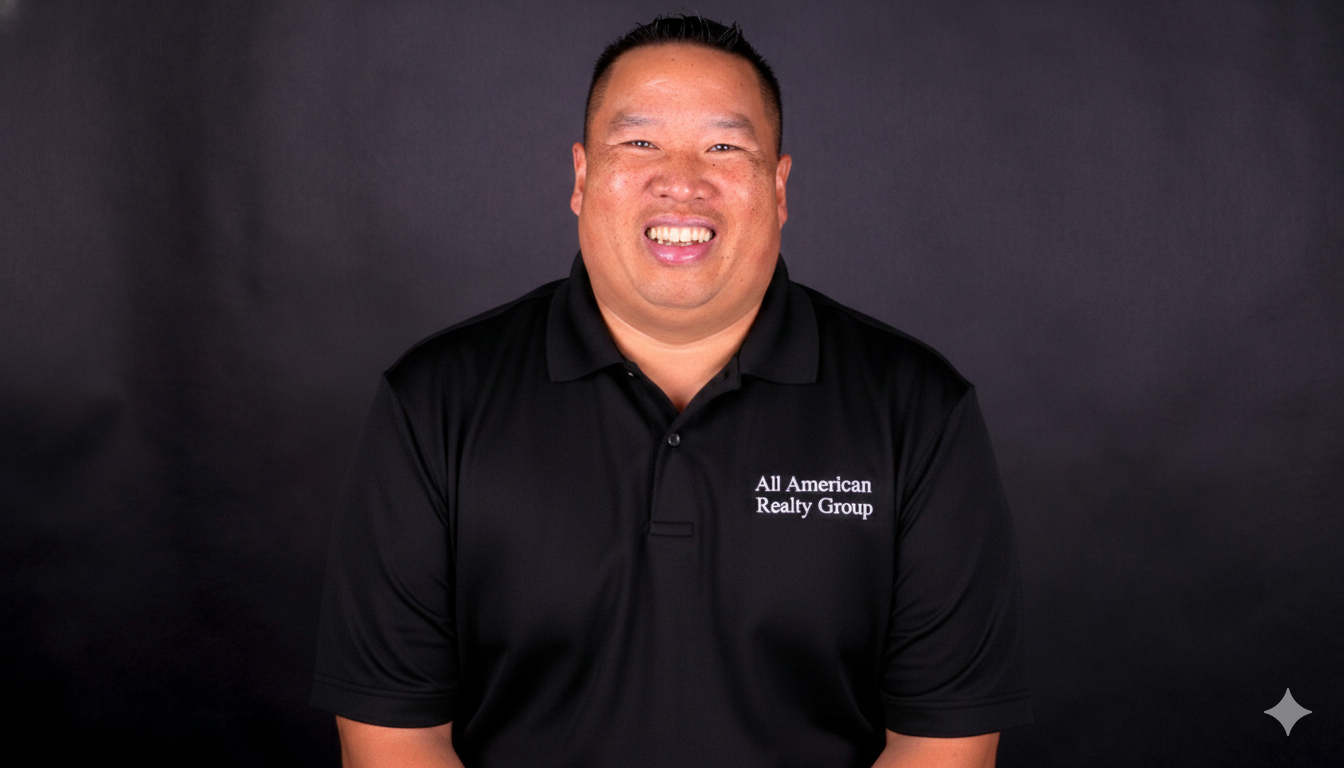
Quick answer: James M. Walker of All American Realty Group tells buyers in Fayetteville, NC to plan on closing costs of roughly 3% of the purchase price, or about $9,000 on a $300,000 home. That is a planning number, not a final one. Before writing an offer, James has the buyer's lender estimate the real costs on that specific home, and seller concessions or builder incentives can lower what the buyer brings to closing, sometimes all the way to $0.
Who this is for: Military families PCSing to Fort Bragg, veterans using a VA loan, and anyone buying in Fayetteville, Hope Mills, Raeford, or the surrounding cities who wants to know how much cash they really need.
How Much Should You Budget for Closing Costs in Fayetteville?
When buyers ask me how much to expect in closing costs, I tell them to plan for around 3% of the purchase price.
That is an estimate, not a guarantee. Every house and every buyer is a little different, so once we are seriously considering a property, I have the buyer's lender run the numbers on that specific home before we write an offer.
What Does 3% in Closing Costs Look Like on a $300,000 Home?
$300,000 × 3% = $9,000
So I tell a buyer to start by planning for about $9,000 in closing costs. Their final number will probably not be exactly $9,000, which is why the lender's estimate matters once we find the right house.
What Is Included in Closing Costs?
When I talk about closing costs, I am generally talking about:
- Lender fees, such as origination and underwriting
- Title search and title insurance
- Attorney fees, including the legal documents and preparing the new deed
- Recording fees to record the deed with the county
- Prepaid items, such as your first year of homeowners insurance and money set aside in escrow for property taxes and insurance
The exact amount depends on the buyer, the property, and the financing. That is one reason I don't want a buyer relying only on a general percentage once we are ready to make an offer. I want the lender involved.
Are Closing Costs the Same as a Down Payment?
No, and this is the biggest misunderstanding I see.
Your down payment goes toward the price of the home. Closing costs pay for the services and paperwork it takes to complete the purchase and the loan. They are two separate amounts.
Here is how it breaks down on a $300,000 home:
| Loan type | Minimum down payment | Down payment on $300,000 | Estimated closing costs (3%) |
|---|---|---|---|
| VA loan | 0% | $0 | About $9,000 |
| Conventional loan | 3% (qualifying buyers) | $9,000 | About $9,000 |
| FHA loan | 3.5% | $10,500 | About $9,000 |
A VA loan with no down payment means you can finance the full $300,000. It does not automatically mean you have no other expenses. You can still have closing costs unless we negotiate for the seller to pay them or a builder incentive covers them.
Most VA buyers also pay a VA funding fee, which is usually rolled into the loan. Veterans who receive VA disability compensation are generally exempt, and your lender will confirm whether it applies to you. Our VA Loan Guide covers this in more detail.
This is why I break the numbers apart instead of just telling a buyer, "You need X dollars to buy a house." I want them to understand where every dollar is going.
What Other Expenses Should Buyers Plan For?
Some costs fall outside the 3% closing cost estimate, and some are due well before closing day:
- Home inspection: paid to the inspector during your due diligence period
- Appraisal: usually paid up front through your lender
- Due diligence fee: paid directly to the seller once your offer is accepted, generally nonrefundable if you back out, and credited toward your purchase if you close
- Earnest money: held in escrow and credited toward your purchase at closing
So when I say to plan for about 3% in closing costs, that number does not cover every dollar you might spend during the transaction. We look at the whole picture.
Want to walk through the numbers on a home you are considering? Schedule a buyer meeting with All American Realty Group.
Can the Seller Pay a Buyer's Closing Costs in North Carolina?
Yes, and it is something we talk through when we decide how to structure an offer.
If my buyer wants help with closing costs, I ask the lender exactly how much they need. Then I negotiate using that specific dollar amount instead of guessing at a percentage. For example, if the lender tells us the buyer needs $8,500 toward closing costs, that gives me a real number to put in the offer.
Each loan program also limits how much a seller can contribute:
| Loan type | Seller contribution limit |
|---|---|
| VA | All normal closing costs, plus concessions up to 4% of the home's value |
| FHA | Up to 6% of the purchase price |
| Conventional, less than 10% down | Up to 3% of the purchase price |
| Conventional, 10% to 25% down | Up to 6% of the purchase price |
| Conventional, more than 25% down | Up to 9% of the purchase price |
Your lender will confirm the exact limit for your loan.
Does It Matter How Long the House Has Been on the Market?
Yes. Timing matters when negotiating closing costs in Fayetteville.
If a house just came on the market and other buyers are interested, asking the seller for a large closing cost contribution can make your offer less attractive.
If a home has been sitting longer, you may have more leverage. The seller may still be making a mortgage payment on a house they no longer want to own, so an offer that gets the property sold can look appealing, even with a request for closing cost help.
That does not mean the seller will automatically agree. It simply changes the conversation.
Can a Builder Pay All of Your Closing Costs?
Sometimes. Builders in the Fayetteville area often advertise a set amount buyers can use toward closing costs.
Even then, I want the lender to run the numbers before my buyer makes an offer, so we know whether the advertised incentive actually covers what this particular buyer needs. I don't assume.
Real Example: A VA Buyer Who Brought $0 to Closing
I worked with a VA buyer who purchased a new construction home in the Fayetteville area for about $300,000.
- Estimated closing costs: about $10,000
- The builder paid the closing costs
- The due diligence fee was credited back to the buyer at closing
- The appraisal was paid separately before closing
- Cash brought to the closing table: $0
This is why I don't automatically tell VA buyers they need 3% of the purchase price sitting in their bank account. First we figure out what the costs actually are. Then we look at the property, the financing, any builder incentives or seller concessions, and how we want to structure the offer.
Why Have Your Lender Run the Numbers Before You Make an Offer?
I use 3% as a planning number, not the final answer. Once my buyer finds a house they are serious about, I have their lender run a quick estimate before we submit the offer. The real number can change based on:
- Purchase price
- Loan program
- Credit
- Debt-to-income ratio
- Property taxes and homeowners insurance on that home
- Seller concessions
- Builder incentives
- Specific loan terms
That lets us make decisions based on the buyer's actual situation instead of a guess.
So How Much Should You Budget?
Start with roughly 3% of the purchase price, which is about $9,000 on a $300,000 home.
Then, once you find a house you are serious about, have your lender run the numbers for that property. From there, your Realtor and lender can tell you how much cash you actually need, whether asking the seller for help makes sense, and whether any builder incentives are available. That is far more useful than guessing your final number from a generic percentage.
If you are PCSing to Fort Bragg, our Fort Bragg PCS Guide walks through the rest of the move.
Frequently Asked Questions
Are closing costs the same as a down payment?
No. Your down payment goes toward the purchase price of the home. Closing costs cover the fees for completing the sale and the loan.
How much should I budget for closing costs on a $300,000 home in Fayetteville?
Plan on about 3%, or roughly $9,000, as a starting point. Have your lender calculate a property-specific estimate before you make a serious offer.
Can a seller pay all of my closing costs?
Sometimes. It depends on how much your lender says you need, your loan program's seller contribution limit, and how much negotiating leverage you have on that particular property.
Can a home builder pay all of my closing costs?
Yes, it happens. James Walker has closed Fayetteville-area new construction purchases where builder incentives covered the buyer's closing costs completely. Have your lender confirm the incentive is enough before you make an offer.
Does a VA loan mean I need no money to buy a house?
Not necessarily. A VA loan can eliminate the down payment, but you may still have closing costs, a VA funding fee unless you are exempt, and up-front expenses like the inspection, appraisal, due diligence fee, and earnest money. Seller concessions and builder incentives can sometimes bring your cash at closing down to $0.
Is the due diligence fee refundable in North Carolina?
Generally no. If you back out, the seller usually keeps it. If you close on the home, it is credited toward your purchase.
About the Author and All American Realty Group
About the Author: James M. Walker
James Walker has lived in Fayetteville and the surrounding areas for more than 35 years. After serving 20 years as a Fayetteville police officer and spending the past seven years in real estate with 200+ homes sold, he brings deep local knowledge and practical experience to every transaction. He specializes in helping military families, veterans, first responders, and relocating buyers navigate the process with clarity and confidence. Working alongside his wife, Stephanie, James focuses on education, strong communication, and helping clients make informed decisions when buying or selling in North Carolina.
About All American Realty Group
All American Realty Group helps buyers and sellers across Fayetteville, Raeford, Hope Mills, Spring Lake, and surrounding North Carolina communities. We specialize in helping military families, first-time buyers, and relocating homeowners understand financing options, down payment assistance programs, and local market conditions.
With deep knowledge of Cumberland County and the Fort Bragg area, our team focuses on clear communication, strategic planning, and making the buying or selling process simple.
If you are considering buying or selling a home anywhere in North Carolina, we can help you understand your options and build a plan that fits your budget. Schedule a meeting here.
Contact us at All American Realty Group at 910-988-8578 | 3820 Raeford Road, Suite A, Fayetteville, NC 28304